

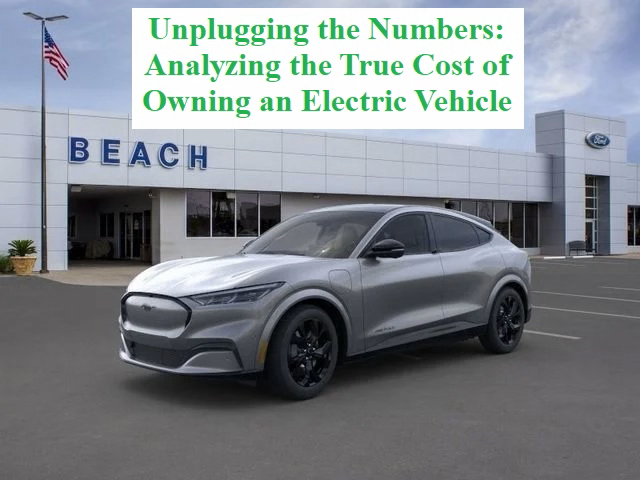
As the automotive landscape evolves, electric vehicles (EVs) are becoming increasingly popular, promising a cleaner, more sustainable mode of transportation. Beyond the environmental benefits, prospective buyers often wonder about the true cost of owning an electric vehicle. In this blog, we’ll delve into the various factors that contribute to the overall cost of owning an electric vehicle, helping you make an informed decision about embracing the electrified future.
1. Purchase Price:
The upfront cost of acquiring an electric vehicle is a critical consideration. While EVs may have a higher initial price compared to some traditional vehicles, factors such as government incentives, tax credits, and rebates can significantly offset this cost. Researching available incentives in your region can provide a clearer picture of the actual purchase price.
2. Charging Infrastructure:
Home charging stations and public charging infrastructure play a role in the overall cost of owning an electric vehicle. The cost of installing a home charging station varies, and some governments offer incentives to offset installation expenses. Public charging costs depend on the charging network and pricing model, ranging from pay-per-use to subscription plans.
3. Electricity Costs:
Charging an electric vehicle at home involves electricity costs, which can vary based on your location and utility rates. Monitoring your energy consumption and taking advantage of off-peak charging rates, where available, can contribute to cost savings.
4. Maintenance Savings:
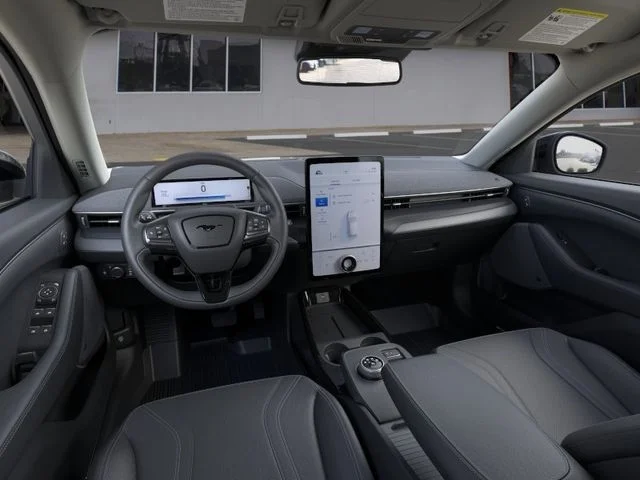
Electric vehicles generally have fewer moving parts than traditional internal combustion engine vehicles, resulting in lower maintenance costs. With fewer components prone to wear and tear, EV owners typically spend less on routine maintenance, such as oil changes and brake replacements.
5. Battery Replacement:
One of the significant components influencing the true cost of owning an electric vehicle is the battery. While modern EV batteries are designed to be durable and long-lasting, they will eventually degrade over time. The cost of battery replacement is a consideration, but advancements in battery technology are extending their lifespan and reducing replacement costs.
6. Insurance Rates:
Insurance rates for electric vehicles can vary based on factors such as the make and model of the vehicle, your driving history, and the availability of insurance discounts. Some insurers offer lower rates for electric vehicles due to their safety features and reduced maintenance costs.
7. Resale Value:
Considering the resale value is essential when analyzing the true cost of owning an electric vehicle. As the electric vehicle market grows and technology improves, the resale value of older EV models may be influenced. Researching the resale value of specific models can provide insights into the long-term financial implications of ownership.
8. Government Incentives and Tax Credits:
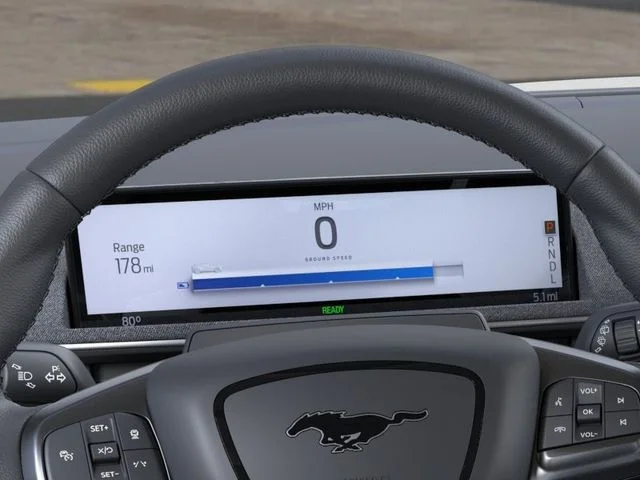
Many governments incentivize the adoption of electric vehicles through tax credits, rebates, and other perks. These incentives can significantly reduce the overall cost of owning an electric vehicle. Researching available programs and understanding eligibility criteria can help you take full advantage of these financial benefits.
9. Warranty Coverage:
Most electric vehicles come with warranties that cover certain components, including the battery. Understanding the terms of the warranty, such as coverage duration and mileage limits, provides assurance against unexpected repair costs during the initial years of ownership.
10. Environmental Impact:
While not a direct financial consideration, the environmental impact of owning an electric vehicle is a factor that resonates with many buyers. Reduced greenhouse gas emissions and decreased dependence on fossil fuels contribute to a more sustainable future, aligning with the broader societal shift towards eco-friendly transportation.
An Electrifying Equation

Analyzing the true cost of owning an electric vehicle involves a comprehensive evaluation of various factors, from purchase price and charging infrastructure to maintenance savings and government incentives. As the electric vehicle market continues to mature and technology advances, the financial landscape of ownership is becoming increasingly favorable. Embracing an electric vehicle isn’t just a forward-thinking choice; it’s a decision that holds the potential for long-term savings and a positive impact on both your wallet and the environment.
Connect with us


- July 2026
- June 2026
- May 2026
- April 2026
- March 2026
- February 2026
- January 2026
- December 2025
- November 2025
- October 2025
- September 2025
- August 2025
- July 2025
- June 2025
- May 2025
- April 2025
- March 2025
- February 2025
- January 2025
- December 2024
- November 2024
- October 2024
- September 2024
- August 2024
- July 2024
- June 2024
- May 2024
- April 2024
Archives
- Accessories
- Air Conditioning
- Brakes
- Business Solutions
- Cleaning Tips
- Co-Pilot360
- Comparisons
- Connectivity
- Driving Safety
- Driving Tips
- EcoBoost Technology
- Electric Vehicles
- Environment
- Family Fun
- Financing
- Fleet Service
- Ford Performance
- Ford Pro
- Ford Racing
- Ford SUVs
- Ford Vehicles
- FordPass App
- Fuel Efficiency
- General Information
- Helpful Hints
- History
- Hybrid Vehicles
- Insurance
- Local Information
- Maintenance & Service
- New Drivers
- New Ford Trucks
- New Vehicles
- Parts & Parts Department
- Powerstroke Diesel Engines
- Pre-Owned Vehicles
- Radio
- Road Trips & Vacations
- Safety Tips
- Seasonal
- Service Tips
- Shopping
- SYNC System
- Technology
- The Future of Ford
- Tires
- Towing
- Uncategorized
- Vehicle Buying Process
- Vehicle Details
- Warranties