

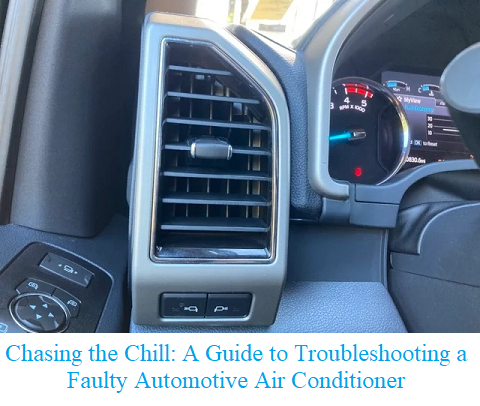
Few things can be more frustrating on a hot summer day than a malfunctioning car air conditioner. Whether you’re greeted with warm air or strange noises, addressing issues promptly can help you stay cool and comfortable during your drives. In this blog post, we’ll guide you through the troubleshooting process for a faulty automotive air conditioner, helping you identify common issues and potential solutions.
1. No Cold Air:
Possible Causes:
- Refrigerant Levels: Low refrigerant levels are a common cause of insufficient cooling. Leaks or gradual loss over time can result in a lack of cold air.
- Compressor Issues: A malfunctioning compressor may fail to circulate refrigerant, leading to a lack of cooling.
Troubleshooting Steps:
- Check for visible refrigerant leaks under the car.
- Use a refrigerant pressure gauge to measure the refrigerant levels.
- If the levels are low, consult a professional to identify and repair the leaks.
2. Weak Airflow:
Possible Causes:
- Clogged Air Filters: Accumulated dust and debris can restrict airflow, reducing the system’s efficiency.
- Blower Motor Issues: A malfunctioning blower motor may result in weak or uneven airflow.
Troubleshooting Steps:
- Inspect and replace clogged or dirty air filters.
- Test the blower motor by adjusting the fan speed. If it’s not functioning correctly, consult a professional for repairs or replacement.
3. Strange Noises:
Possible Causes:
- Belt Issues: Squealing or screeching noises may indicate a loose or damaged belt.
- Blower Motor Problems: Rattling or clicking sounds could be a sign of issues with the blower motor.
Troubleshooting Steps:
- Inspect the drive belt for signs of wear, tension, or damage.
- Listen for unusual sounds while adjusting the fan speed. If detected, seek professional assistance for blower motor inspection.
4. Unpleasant Odors:
Possible Causes:
- Mold or Bacteria Growth: Moisture in the system can lead to mold or bacteria growth, causing foul odors.
- Clogged Evaporator Drain: A clogged drain may result in stagnant water, contributing to unpleasant smells.
Troubleshooting Steps:
- Run the air conditioner on the “fresh air” setting to reduce mold and bacteria growth.
- Check and clean the evaporator drain to prevent water accumulation.
5. AC Not Turning On:
Possible Causes:
- Electrical Issues: Faulty electrical components, such as a blown fuse or a malfunctioning relay, can prevent the AC from turning on.
- Faulty Thermostat: A malfunctioning thermostat may fail to signal the air conditioner to start.
Troubleshooting Steps:
- Check the fuse box for blown fuses related to the air conditioner.
- Test relays and switches for proper functionality.
- If the thermostat is suspect, consult a professional for testing and replacement.
6. Intermittent Cooling:
Possible Causes:
- Refrigerant Leaks: Intermittent cooling may result from refrigerant leaks that vary in severity.
- Thermostat Issues: Inconsistent thermostat performance can lead to on-and-off cooling.
Troubleshooting Steps:
- Inspect for visible refrigerant leaks and address them promptly.
- Test the thermostat’s accuracy and responsiveness. Replace if necessary.
A Systematic Approach

Troubleshooting a faulty automotive air conditioner requires a systematic approach to identify and address specific issues. Regular maintenance, such as cleaning air filters and checking refrigerant levels, can prevent many common problems. If you encounter persistent issues or are unsure about the diagnosis, seeking professional assistance from a qualified automotive technician ensures accurate identification and effective resolution. By addressing air conditioner problems promptly, you can enjoy cool and comfortable rides, even on the hottest days.
Connect with us


- July 2026
- June 2026
- May 2026
- April 2026
- March 2026
- February 2026
- January 2026
- December 2025
- November 2025
- October 2025
- September 2025
- August 2025
- July 2025
- June 2025
- May 2025
- April 2025
- March 2025
- February 2025
- January 2025
- December 2024
- November 2024
- October 2024
- September 2024
- August 2024
- July 2024
- June 2024
- May 2024
- April 2024
Archives
- Accessories
- Air Conditioning
- Brakes
- Business Solutions
- Cleaning Tips
- Co-Pilot360
- Comparisons
- Connectivity
- Driving Safety
- Driving Tips
- EcoBoost Technology
- Electric Vehicles
- Environment
- Family Fun
- Financing
- Fleet Service
- Ford Performance
- Ford Pro
- Ford Racing
- Ford SUVs
- Ford Vehicles
- FordPass App
- Fuel Efficiency
- General Information
- Helpful Hints
- History
- Hybrid Vehicles
- Insurance
- Local Information
- Maintenance & Service
- New Drivers
- New Ford Trucks
- New Vehicles
- Parts & Parts Department
- Powerstroke Diesel Engines
- Pre-Owned Vehicles
- Radio
- Road Trips & Vacations
- Safety Tips
- Seasonal
- Service Tips
- Shopping
- SYNC System
- Technology
- The Future of Ford
- Tires
- Towing
- Uncategorized
- Vehicle Buying Process
- Vehicle Details
- Warranties