

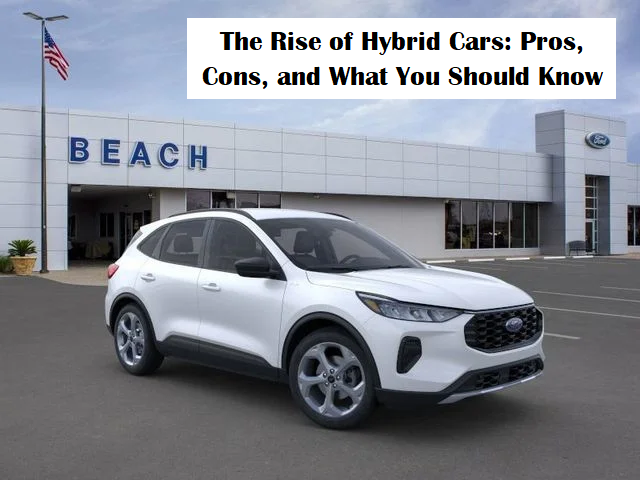
Hybrid cars have surged in popularity over the past two decades, transforming the automotive landscape with their promise of improved fuel efficiency and reduced environmental impact. As technology advances and consumer awareness grows, hybrid vehicles offer a compelling alternative to traditional gasoline-powered cars. Here’s an in-depth look at the rise of hybrid cars, including their benefits, drawbacks, and essential information you need to know before making a decision.
Understanding Hybrid Cars
Hybrid cars combine a conventional internal combustion engine (ICE) with one or more electric motors. This combination allows the vehicle to switch between or combine power from both sources, enhancing efficiency and reducing emissions. There are several types of hybrid systems, including:
- Full Hybrids (HEVs): Can run on the engine, the electric motor, or both simultaneously.
- Plug-in Hybrids (PHEVs): Can be charged from an external power source and have a larger battery capacity for extended electric-only driving.
- Mild Hybrids: Use an electric motor to assist the engine but cannot drive the vehicle solely on electric power.
Pros of Hybrid Cars
Improved Fuel Efficiency
- Better Mileage: Hybrid vehicles generally offer significantly better fuel efficiency compared to traditional gasoline cars. By utilizing electric power during low-speed driving and idling, hybrids reduce fuel consumption.
- Regenerative Braking: Hybrids often feature regenerative braking systems that capture and store energy typically lost during braking, improving overall efficiency.
Reduced Emissions
- Lower Carbon Footprint: By combining electric power with a gasoline engine, hybrids emit fewer greenhouse gases and pollutants than conventional vehicles. This contributes to improved air quality and a smaller environmental impact.
- Compliance with Regulations: Many hybrids meet or exceed stringent emissions standards, making them a suitable choice for areas with strict environmental regulations.
Financial Incentives
- Tax Credits and Rebates: Many governments offer tax incentives, rebates, or grants for purchasing hybrid vehicles. These financial benefits can offset the initial cost of the vehicle.
- Fuel Savings: The improved fuel efficiency of hybrids can lead to significant savings on fuel costs over time.
Technological Advancements
- Cutting-Edge Features: Hybrid vehicles often come equipped with the latest technology, including advanced driver assistance systems, touchscreen infotainment, and smartphone connectivity.
- Innovative Design: Many hybrid models feature sleek, modern designs that appeal to a wide range of consumers.
Cons of Hybrid Cars
Higher Initial Cost
- Purchase Price: Hybrid cars typically cost more than their conventional counterparts due to the complexity of their technology and the inclusion of advanced components such as electric motors and batteries.
- Potential for Depreciation: While hybrid cars can offer long-term savings, their higher initial cost may affect resale value and depreciation compared to traditional vehicles.
Battery Replacement and Maintenance
- Battery Costs: The battery packs in hybrid vehicles can be expensive to replace, although they generally have long lifespans and manufacturers often provide warranties.
- Maintenance: While hybrids often require less frequent maintenance than conventional vehicles, repairs and parts can be specialized and potentially costly.
Limited Electric-Only Range (for Non-Plug-in Hybrids)
- Short Distance: Many full hybrids have limited electric-only range, meaning they rely heavily on the gasoline engine for longer trips or higher speeds.
- Plug-In Hybrids: While PHEVs offer extended electric range, they still require charging infrastructure and can be more expensive than traditional hybrids.
Driving Experience
- Performance: Some drivers may find that hybrids lack the acceleration and power of conventional vehicles, especially in full hybrid models that rely on a combination of engine and electric motor.
- Weight: The additional weight of hybrid components, such as batteries, can affect handling and performance compared to lighter conventional vehicles.
What You Should Know Before Buying a Hybrid
Research and Test Drive
- Model Comparison: Compare different hybrid models to find one that suits your needs and preferences. Consider factors such as fuel efficiency, electric range, and available features.
- Test Drive: Take a hybrid vehicle for a test drive to assess its performance, comfort, and handling. Ensure it meets your expectations and driving style.
Consider Your Driving Habits
- Commute Patterns: Evaluate whether a hybrid’s fuel efficiency and electric range align with your daily driving habits. PHEVs may be more suitable for those who can regularly charge their vehicle.
- Long-Distance Travel: If you frequently travel long distances, a hybrid with a more extensive electric range or a traditional vehicle may better suit your needs.
Evaluate Total Cost of Ownership
- Long-Term Savings: Consider the total cost of ownership, including fuel savings, maintenance, and potential tax incentives. Compare these factors against the higher initial purchase price.
- Resale Value: Research the resale value of hybrid vehicles and factor this into your decision. While hybrids can offer long-term savings, their depreciation rates may differ from traditional vehicles.
Charging Infrastructure (for Plug-in Hybrids)
- Home Charging: If considering a PHEV, assess the availability of home charging options and the cost of installing a charging station.
- Public Charging: Check for public charging infrastructure in your area and along your regular routes to ensure convenient access to charging stations.
The Future of Hybrid Vehicles

The rise of hybrid cars represents a significant shift towards more environmentally friendly and efficient transportation options. While they offer numerous benefits, including improved fuel efficiency, reduced emissions, and financial incentives, they also come with considerations such as higher initial costs and potential maintenance needs. By understanding the pros and cons of hybrid vehicles and assessing your personal driving needs, you can make an informed decision that aligns with your lifestyle and environmental goals. As technology continues to evolve, hybrids are likely to play an increasingly important role in the future of automotive transportation.
Connect with us


- July 2026
- June 2026
- May 2026
- April 2026
- March 2026
- February 2026
- January 2026
- December 2025
- November 2025
- October 2025
- September 2025
- August 2025
- July 2025
- June 2025
- May 2025
- April 2025
- March 2025
- February 2025
- January 2025
- December 2024
- November 2024
- October 2024
- September 2024
- August 2024
- July 2024
- June 2024
- May 2024
- April 2024
Archives
- Accessories
- Air Conditioning
- Brakes
- Business Solutions
- Cleaning Tips
- Co-Pilot360
- Comparisons
- Connectivity
- Driving Safety
- Driving Tips
- EcoBoost Technology
- Electric Vehicles
- Environment
- Family Fun
- Financing
- Fleet Service
- Ford Performance
- Ford Pro
- Ford Racing
- Ford SUVs
- Ford Vehicles
- FordPass App
- Fuel Efficiency
- General Information
- Helpful Hints
- History
- Hybrid Vehicles
- Insurance
- Local Information
- Maintenance & Service
- New Drivers
- New Ford Trucks
- New Vehicles
- Parts & Parts Department
- Powerstroke Diesel Engines
- Pre-Owned Vehicles
- Radio
- Road Trips & Vacations
- Safety Tips
- Seasonal
- Service Tips
- Shopping
- SYNC System
- Technology
- The Future of Ford
- Tires
- Towing
- Uncategorized
- Vehicle Buying Process
- Vehicle Details
- Warranties