

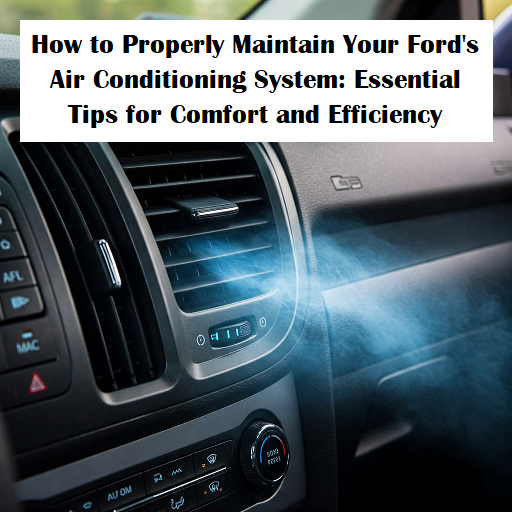
Your Ford’s air conditioning (AC) system is crucial for maintaining comfort and ensuring a pleasant driving experience, especially during hot weather. Regular maintenance of the AC system not only ensures it operates efficiently but also extends its lifespan and prevents costly repairs. Here’s a guide on how to properly maintain your Ford’s air conditioning system to keep it running smoothly.
Regularly Check and Replace the Cabin Air Filter
The cabin air filter plays a vital role in ensuring clean and fresh air inside your vehicle. Over time, it can become clogged with dust, leaves, and other debris, which can affect the performance of your AC system.
- Check the Filter: Refer to your Ford’s owner’s manual for the recommended interval to check the cabin air filter. Typically, it’s a good idea to inspect it every 12,000 to 15,000 miles or once a year.
- Replace When Needed: If the filter appears dirty or clogged, replace it with a new one. A clean cabin air filter improves airflow, enhances AC efficiency, and ensures better air quality inside your vehicle.
Ensure Proper Refrigerant Levels
The refrigerant is the substance that cools the air in your AC system. Low refrigerant levels can lead to reduced cooling performance and potential damage to the system.
- Check Refrigerant Levels: Refrigerant levels should be checked by a professional during routine maintenance or if you notice decreased cooling performance. Many Ford dealerships or automotive service centers offer AC system inspections that include checking refrigerant levels.
- Recharge If Necessary: If refrigerant levels are low, your vehicle may need a recharge. This process involves adding the appropriate refrigerant to the system and checking for any leaks.
Inspect and Maintain AC Components
Several components work together to ensure your AC system functions properly. Regular inspection and maintenance of these parts are essential.
- Compressor: The compressor is responsible for circulating refrigerant through the system. Listen for any unusual noises when the AC is running, as these could indicate a problem with the compressor. Have it inspected if you suspect an issue.
- Condenser: The condenser releases heat from the refrigerant. Check for any debris or damage to the condenser, as this can affect cooling performance. Keep the area around the condenser clean and free of obstructions.
- Evaporator: The evaporator absorbs heat from the air. Ensure that the evaporator is functioning properly and check for any signs of leakage or blockages.
Maintain the AC System’s Seals and Hoses
Seals and hoses are critical for maintaining proper refrigerant pressure and preventing leaks.
- Inspect Seals and Hoses: Regularly inspect the seals and hoses for signs of wear, cracking, or leakage. Damaged or worn seals can lead to refrigerant loss and decreased cooling efficiency.
- Replace as Needed: If you notice any issues with the seals or hoses, have them replaced promptly to prevent further damage and maintain the AC system’s performance.
Run the AC System Regularly
Even during cooler months, it’s important to run your AC system regularly to keep it in good working condition.
- Use the AC Periodically: Run the AC system for about 10 minutes every few weeks to keep the components lubricated and prevent the seals from drying out. This practice helps maintain the system’s performance and prolongs its lifespan.
- Defrost Mode: Occasionally use the defrost mode to ensure that the AC system remains functional and that the heater and AC work together effectively.
Check and Maintain the AC System’s Drainage
The AC system produces condensation that needs to be properly drained to avoid issues such as mold growth or water damage.
- Inspect the Drain Tube: Ensure that the AC drain tube is clear and not blocked. A clogged drain tube can lead to water buildup inside the vehicle, causing potential issues like mold growth or damage to interior components.
- Clear Any Blockages: If you notice water pooling inside the vehicle or an unusual musty odor, check the drain tube for blockages and clear them as needed.
Address Unusual Smells and Noises
Unusual smells or noises coming from the AC system can indicate potential problems that need attention.
- Musty Odors: A musty smell could indicate mold or mildew growth in the AC system. Running the AC with the windows open and using a disinfectant spray designed for automotive AC systems can help alleviate this issue.
- Unusual Noises: If you hear squealing, grinding, or rattling noises when the AC is running, it may signal a problem with the compressor, blower motor, or other components. Have a professional inspect and diagnose the issue.
Professional Inspections and Servicing
While regular maintenance can be done at home, professional inspections and servicing are essential for ensuring the AC system’s optimal performance.
- Annual Check-Up: Have your AC system professionally inspected at least once a year, preferably before the hot weather sets in. A certified technician can perform a thorough check, including refrigerant levels, component condition, and overall system performance.
- Addressing Repairs: If the technician identifies any issues during the inspection, address them promptly to prevent further damage and maintain the efficiency of your AC system.
Ensure Your Comfort and Performance
Maintaining your Ford’s air conditioning system is essential for ensuring comfort and performance throughout the year. By following these tips—checking and replacing the cabin air filter, monitoring refrigerant levels, inspecting AC components, maintaining seals and hoses, running the system regularly, and addressing unusual smells or noises—you can keep your AC system in top shape. Regular professional inspections and servicing further ensure that your AC system remains reliable and efficient, providing you with a pleasant driving experience no matter the weather.
Connect with us


- July 2026
- June 2026
- May 2026
- April 2026
- March 2026
- February 2026
- January 2026
- December 2025
- November 2025
- October 2025
- September 2025
- August 2025
- July 2025
- June 2025
- May 2025
- April 2025
- March 2025
- February 2025
- January 2025
- December 2024
- November 2024
- October 2024
- September 2024
- August 2024
- July 2024
- June 2024
- May 2024
- April 2024
Archives
- Accessories
- Air Conditioning
- Brakes
- Business Solutions
- Cleaning Tips
- Co-Pilot360
- Comparisons
- Connectivity
- Driving Safety
- Driving Tips
- EcoBoost Technology
- Electric Vehicles
- Environment
- Family Fun
- Financing
- Fleet Service
- Ford Performance
- Ford Pro
- Ford Racing
- Ford SUVs
- Ford Vehicles
- FordPass App
- Fuel Efficiency
- General Information
- Helpful Hints
- History
- Hybrid Vehicles
- Insurance
- Local Information
- Maintenance & Service
- New Drivers
- New Ford Trucks
- New Vehicles
- Parts & Parts Department
- Powerstroke Diesel Engines
- Pre-Owned Vehicles
- Radio
- Road Trips & Vacations
- Safety Tips
- Seasonal
- Service Tips
- Shopping
- SYNC System
- Technology
- The Future of Ford
- Tires
- Towing
- Uncategorized
- Vehicle Buying Process
- Vehicle Details
- Warranties