
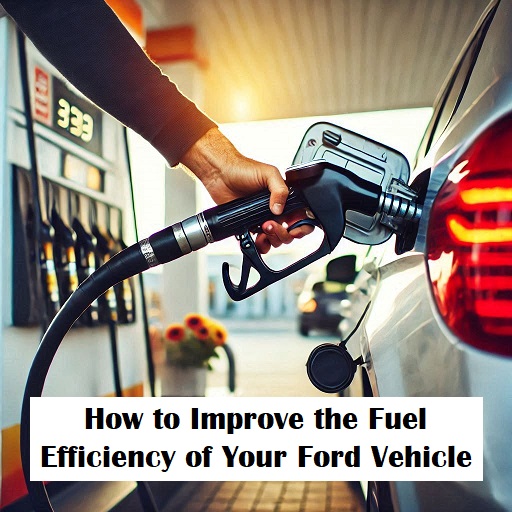
Fuel efficiency is a key concern for many Ford owners, whether you’re driving a fuel-efficient sedan, a powerful truck, or a versatile SUV. With rising fuel costs and growing environmental awareness, getting the most out of every gallon is more important than ever. Fortunately, there are several strategies you can employ to improve the fuel efficiency of your Ford vehicle, saving you money at the pump and reducing your carbon footprint.
Maintain Proper Tire Pressure
One of the simplest and most effective ways to improve fuel efficiency is to ensure your tires are properly inflated. Underinflated tires create more rolling resistance, which forces your engine to work harder and consume more fuel. Check your tire pressure regularly, ideally once a month, and before long trips. Refer to your Ford’s owner’s manual or the sticker inside the driver’s side door for the recommended tire pressure. Properly inflated tires can improve fuel efficiency by up to 3%.
Reduce Excess Weight
Carrying unnecessary weight in your vehicle can significantly reduce fuel efficiency. Every extra 100 pounds can decrease your fuel economy by about 1%. Take the time to clear out your trunk, backseat, and cargo area of any items you don’t need. If you use a roof rack or cargo carrier, remove it when not in use, as the added weight and aerodynamic drag can also reduce fuel efficiency.
Use Cruise Control on Highways
Using cruise control on highways helps maintain a consistent speed, which can improve fuel efficiency by reducing unnecessary acceleration and deceleration. This is especially beneficial on long, flat stretches of road. However, avoid using cruise control on hilly terrain, where it may cause your vehicle to speed up and slow down more frequently, reducing fuel efficiency.
Drive Smoothly and Avoid Aggressive Driving
Aggressive driving behaviors, such as rapid acceleration, hard braking, and speeding, can significantly reduce your vehicle’s fuel efficiency. Instead, focus on driving smoothly and anticipating traffic conditions to avoid sudden stops and starts. Accelerate gradually and maintain a steady speed to maximize fuel economy. According to the U.S. Department of Energy, aggressive driving can lower your gas mileage by up to 40% in stop-and-go traffic and up to 30% on the highway.
Limit Idling Time
Idling consumes fuel without getting you anywhere. If you anticipate being stopped for more than a minute, such as at a long traffic light or while waiting for someone, consider turning off your engine. Modern Ford vehicles are equipped with start-stop technology, which automatically shuts off the engine when the vehicle is stationary and restarts it when you release the brake pedal, helping to conserve fuel.
Keep Up with Regular Maintenance
Routine maintenance is crucial for keeping your Ford running efficiently. Regularly changing the oil, replacing air filters, and ensuring the engine is in good condition can all contribute to better fuel economy. Dirty or clogged air filters, for example, can reduce airflow to the engine, making it work harder and consume more fuel. Follow the maintenance schedule outlined in your Ford’s owner’s manual to keep your vehicle in top shape.
Use the Right Motor Oil
Using the manufacturer-recommended grade of motor oil can improve your vehicle’s fuel efficiency by 1-2%. The wrong oil can increase engine friction, causing the engine to work harder and use more fuel. Additionally, consider using synthetic oil, which often provides better lubrication and can improve fuel efficiency.
Monitor and Improve Aerodynamics
Aerodynamics play a significant role in fuel efficiency, especially at higher speeds. To reduce aerodynamic drag, keep windows closed when driving on the highway, as open windows can create wind resistance that lowers fuel efficiency. Remove unnecessary accessories, such as roof racks, when not in use. Even something as simple as keeping your vehicle clean and free of dirt and debris can reduce drag and improve fuel economy.
Plan Your Trips Wisely
Planning your trips in advance can help you avoid unnecessary driving and reduce fuel consumption. Combine errands into one trip instead of making multiple short trips, as cold engines use more fuel than warm ones. Additionally, use navigation tools or apps to find the most efficient routes, avoiding heavy traffic and construction zones that can lead to stop-and-go driving.
Consider Eco-Driving Habits
Many modern Ford vehicles come equipped with eco-driving features or modes that help improve fuel efficiency. Engage these modes whenever possible, as they adjust the engine and transmission settings to maximize fuel economy. Additionally, pay attention to the fuel efficiency information provided by your vehicle’s dashboard or infotainment system, which can offer real-time feedback on your driving habits and help you make adjustments to save fuel.
Save Money at the Pump
Improving the fuel efficiency of your Ford vehicle doesn’t have to be complicated. By following these simple tips, you can reduce your fuel consumption, save money at the pump, and contribute to a cleaner environment. Whether you’re driving a Ford Focus, F-150, Explorer, or any other model, these strategies will help you get the most out of every gallon and keep your vehicle running efficiently for years to come.
Connect with us


- July 2026
- June 2026
- May 2026
- April 2026
- March 2026
- February 2026
- January 2026
- December 2025
- November 2025
- October 2025
- September 2025
- August 2025
- July 2025
- June 2025
- May 2025
- April 2025
- March 2025
- February 2025
- January 2025
- December 2024
- November 2024
- October 2024
- September 2024
- August 2024
- July 2024
- June 2024
- May 2024
- April 2024
Archives
- Accessories
- Air Conditioning
- Brakes
- Business Solutions
- Cleaning Tips
- Co-Pilot360
- Comparisons
- Connectivity
- Driving Safety
- Driving Tips
- EcoBoost Technology
- Electric Vehicles
- Environment
- Family Fun
- Financing
- Fleet Service
- Ford Performance
- Ford Pro
- Ford Racing
- Ford SUVs
- Ford Vehicles
- FordPass App
- Fuel Efficiency
- General Information
- Helpful Hints
- History
- Hybrid Vehicles
- Insurance
- Local Information
- Maintenance & Service
- New Drivers
- New Ford Trucks
- New Vehicles
- Parts & Parts Department
- Powerstroke Diesel Engines
- Pre-Owned Vehicles
- Radio
- Road Trips & Vacations
- Safety Tips
- Seasonal
- Service Tips
- Shopping
- SYNC System
- Technology
- The Future of Ford
- Tires
- Towing
- Uncategorized
- Vehicle Buying Process
- Vehicle Details
- Warranties