

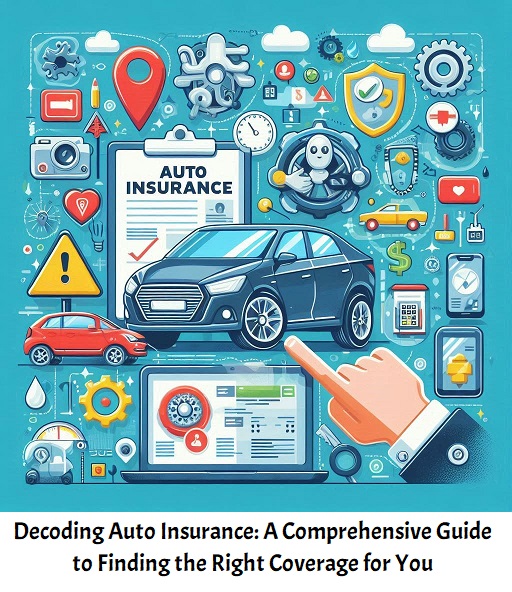
Navigating the world of auto insurance can be a daunting task, with a myriad of coverage options and providers to choose from. However, finding the right car insurance coverage is essential for safeguarding your financial well-being and ensuring peace of mind on the road. In this blog, we’ll unravel the complexities of auto insurance and provide you with a comprehensive guide to help you find the coverage that best suits your needs.
Understanding Auto Insurance Basics
Minimum Requirements
Every state has minimum car insurance requirements that drivers must meet. Familiarize yourself with your state’s regulations to ensure compliance. Common types of required coverage include liability insurance, which covers bodily injury and property damage for which you are at fault.
Types of Coverage
Beyond the minimum requirements, several additional coverage options can enhance your protection. Key types include:
- Comprehensive Coverage: Protects against non-collision events like theft, vandalism, and natural disasters.
- Collision Coverage: Covers damage to your car in the event of a collision, regardless of fault.
- Uninsured/Underinsured Motorist Coverage: Provides protection if you’re involved in an accident with a driver who lacks insurance or has insufficient coverage.
- Medical Payments (MedPay) or Personal Injury Protection (PIP): Covers medical expenses for you and your passengers, regardless of fault.
Assessing Your Needs
Evaluate your specific needs and circumstances. Factors such as the value of your vehicle, your driving habits, and your financial situation will influence the types and amounts of coverage that are appropriate for you.
Determining Coverage Limits and Deductibles
Liability Limits
Liability coverage is typically expressed as three separate limits: bodily injury liability per person, bodily injury liability per accident, and property damage liability. Consider the potential costs of medical expenses and property damage to set appropriate limits.
Comprehensive and Collision Deductibles
The deductible is the amount you must pay out of pocket before your insurance coverage kicks in. Choose deductibles that align with your budget and risk tolerance. Higher deductibles often result in lower premiums, but be prepared for increased out-of-pocket expenses in the event of a claim.
Shopping for Quotes and Comparing Providers
Obtain Multiple Quotes
Shop around and obtain quotes from multiple insurance providers. Online comparison tools and direct inquiries with insurers can help you gather a range of quotes to compare.
Understand Discounts
Inquire about available discounts. Insurance companies offer various discounts, such as safe driver discounts, multi-policy discounts, and good student discounts. Taking advantage of these discounts can significantly reduce your premiums.
Review Customer Reviews and Ratings
Research the reputation of insurance providers by reading customer reviews and checking ratings from independent agencies. Positive customer experiences and high ratings are indicators of a reliable and customer-friendly insurer.
Consider Customer Service
Assess the customer service offerings of potential insurers. An insurer with a responsive customer service team can provide valuable assistance during the claims process and answer any questions you may have.
Evaluating Additional Coverage Options

Rental Car Coverage
Consider adding rental car coverage to your policy. This coverage ensures that you have a temporary replacement vehicle if your car is in the shop for covered repairs.
Roadside Assistance
Roadside assistance coverage can be a lifesaver in emergencies. Evaluate whether adding this coverage to your policy is beneficial based on your driving habits and the availability of other assistance options.
Gap Insurance
If you’re financing or leasing a vehicle, consider gap insurance. This coverage helps cover the difference between the actual cash value of your car and the amount you owe on your loan or lease in the event of a total loss.
Reviewing and Updating Regularly
Annual Policy Review
Conduct an annual review of your policy to ensure that it still aligns with your needs and circumstances. Factors such as changes in vehicle value, driving habits, and life situations may warrant adjustments to your coverage.
Regularly Check for Discounts
Stay proactive in seeking discounts. Life changes, such as getting married, having a child, or relocating, may make you eligible for new discounts. Regularly check with your insurer to see if you qualify for additional savings.
Careful Consideration
Finding the right car insurance coverage is a process that involves careful consideration of your needs, diligent research, and regular reviews. By understanding the basics of auto insurance, determining appropriate coverage limits, shopping for quotes, and considering additional coverage options, you can create a tailored insurance policy that provides optimal protection. Keep in mind that insurance is not a one-size-fits-all solution, and the right coverage for you may evolve over time. With a proactive and informed approach, you can navigate the world of auto insurance with confidence and drive with peace of mind knowing you’re well-protected on the road.
Connect with us


- August 2026
- July 2026
- June 2026
- May 2026
- April 2026
- March 2026
- February 2026
- January 2026
- December 2025
- November 2025
- October 2025
- September 2025
- August 2025
- July 2025
- June 2025
- May 2025
- April 2025
- March 2025
- February 2025
- January 2025
- December 2024
- November 2024
- October 2024
- September 2024
- August 2024
- July 2024
- June 2024
- May 2024
- April 2024
Archives
- Accessories
- Air Conditioning
- Brakes
- Business Solutions
- Cleaning Tips
- Co-Pilot360
- Comparisons
- Connectivity
- Driving Safety
- Driving Tips
- EcoBoost Technology
- Electric Vehicles
- Environment
- Family Fun
- Financing
- Fleet Service
- Ford Performance
- Ford Pro
- Ford Racing
- Ford SUVs
- Ford Vehicles
- FordPass App
- Fuel Efficiency
- General Information
- Helpful Hints
- History
- Hybrid Vehicles
- Insurance
- Local Information
- Maintenance & Service
- New Drivers
- New Ford Trucks
- New Vehicles
- Parts & Parts Department
- Powerstroke Diesel Engines
- Pre-Owned Vehicles
- Radio
- Road Trips & Vacations
- Safety Tips
- Seasonal
- Service Tips
- Shopping
- SYNC System
- Technology
- The Future of Ford
- Tires
- Towing
- Uncategorized
- Vehicle Buying Process
- Vehicle Details
- Warranties