

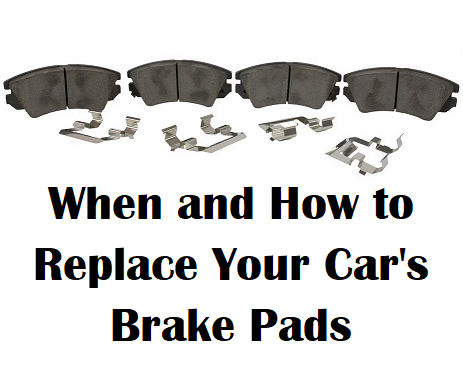
Brake pads are a critical component of your vehicle’s braking system, ensuring your safety and the safety of others on the road. Over time, brake pads wear down and need to be replaced to maintain optimal braking performance. In this blog, we’ll discuss when to replace your brake pads, the signs of wear, and a step-by-step guide on how to replace them.
Understanding Brake Pads
Before diving into the specifics of replacement, it’s essential to understand what brake pads do:
- Function: Brake pads are friction materials that press against the brake rotors to create the necessary friction to slow down or stop your vehicle.
- Types of Brake Pads: There are several types of brake pads, including organic, semi-metallic, and ceramic. Each type has its pros and cons in terms of performance, noise, and lifespan.
When to Replace Brake Pads
Knowing when to replace your brake pads is crucial for maintaining safety and performance. Here are some common indicators:
Visual Inspection
- Thickness: Most brake pads come with wear indicators. If the pad material is less than 1/8 inch thick, it’s time for a replacement.
- Cracks or Damage: Inspect for cracks, chips, or other visible damage to the pads.
Squeaking or Squealing Noises
- Audible Signs: If you hear a high-pitched squeal when applying the brakes, it may indicate that your brake pads are worn and need replacement. This noise typically comes from a built-in wear indicator.
Grinding Sounds
- Metal-to-Metal Contact: If you hear a grinding noise when braking, this may signal that the brake pads have worn down completely and are no longer effective. This can lead to damage to the rotors and should be addressed immediately.
Reduced Braking Performance
- Longer Stopping Distances: If you notice that your vehicle takes longer to stop or if the brakes feel less responsive, it could be a sign that your brake pads are worn and need replacing.
Vibration or Pulsation
- Unusual Feedback: If you feel vibration or pulsation in the brake pedal when applying the brakes, it could indicate uneven wear on the brake pads or issues with the rotors.
How to Replace Brake Pads
Replacing brake pads can be a DIY task for those with basic mechanical skills. Here’s a step-by-step guide to help you through the process:
Gather Your Tools and Supplies
You will need:
- New brake pads
- Brake cleaner
- Jack and jack stands
- Lug wrench
- C-clamp or brake pad spreader
- Ratchet and socket set
- Safety goggles and gloves
Prepare Your Vehicle
- Park on a Level Surface: Ensure your vehicle is parked on a flat surface with the engine off and the parking brake engaged.
- Loosen Lug Nuts: Use the lug wrench to slightly loosen the lug nuts on the wheel covering the brake pads you intend to replace. Do not remove them completely yet.
- Lift the Vehicle: Use the jack to lift the vehicle and secure it with jack stands. Never work under a vehicle supported only by a jack.
Remove the Wheel
- Take Off the Wheel: Remove the loosened lug nuts completely and take off the wheel to access the brake assembly.
Remove the Old Brake Pads
- Locate the Caliper: Find the brake caliper that houses the brake pads. The caliper is typically held in place by two bolts.
- Unbolt the Caliper: Using the ratchet and socket, remove the bolts securing the caliper and carefully lift it off the rotor. Be cautious not to stress the brake line.
- Remove Old Pads: The brake pads will be held in place by clips or pins. Remove them carefully and take note of their orientation for installing the new pads.
Install the New Brake Pads
- Prep New Pads: If necessary, apply brake grease to the backing of the new pads to prevent noise and ensure smooth operation.
- Install New Pads: Position the new brake pads into the caliper bracket, ensuring they are secured properly.
Reinstall the Caliper
- Compress the Piston: Use a C-clamp or brake pad spreader to compress the caliper piston back into its housing. This is necessary to accommodate the new, thicker pads.
- Reattach the Caliper: Carefully place the caliper over the new pads and secure it with the bolts you removed earlier. Ensure it is tight and secure.
Reinstall the Wheel
- Put the Wheel Back On: Place the wheel back on the hub and hand-tighten the lug nuts.
- Lower the Vehicle: Use the jack to lower the vehicle back to the ground.
- Tighten Lug Nuts: Once the vehicle is on the ground, use the lug wrench to tighten the lug nuts in a star pattern to ensure even tightening.
Test Your Brakes
- Pump the Brake Pedal: Before driving, pump the brake pedal several times to ensure proper engagement of the brake pads and caliper.
- Check for Issues: Take a short test drive to ensure that the brakes feel responsive and that there are no unusual noises.
Maintain Safety and Performance
Regular inspection and timely replacement of your brake pads are crucial for maintaining your vehicle’s safety and performance. By knowing when to replace your brake pads and following the steps outlined above, you can ensure that your brakes function effectively and keep you safe on the road. If you’re ever in doubt about your ability to perform brake maintenance, don’t hesitate to consult a professional mechanic for assistance. Safe driving!
Connect with us


- July 2026
- June 2026
- May 2026
- April 2026
- March 2026
- February 2026
- January 2026
- December 2025
- November 2025
- October 2025
- September 2025
- August 2025
- July 2025
- June 2025
- May 2025
- April 2025
- March 2025
- February 2025
- January 2025
- December 2024
- November 2024
- October 2024
- September 2024
- August 2024
- July 2024
- June 2024
- May 2024
- April 2024
Archives
- Accessories
- Air Conditioning
- Brakes
- Business Solutions
- Cleaning Tips
- Co-Pilot360
- Comparisons
- Connectivity
- Driving Safety
- Driving Tips
- EcoBoost Technology
- Electric Vehicles
- Environment
- Family Fun
- Financing
- Fleet Service
- Ford Performance
- Ford Pro
- Ford Racing
- Ford SUVs
- Ford Vehicles
- FordPass App
- Fuel Efficiency
- General Information
- Helpful Hints
- History
- Hybrid Vehicles
- Insurance
- Local Information
- Maintenance & Service
- New Drivers
- New Ford Trucks
- New Vehicles
- Parts & Parts Department
- Powerstroke Diesel Engines
- Pre-Owned Vehicles
- Radio
- Road Trips & Vacations
- Safety Tips
- Seasonal
- Service Tips
- Shopping
- SYNC System
- Technology
- The Future of Ford
- Tires
- Towing
- Uncategorized
- Vehicle Buying Process
- Vehicle Details
- Warranties