

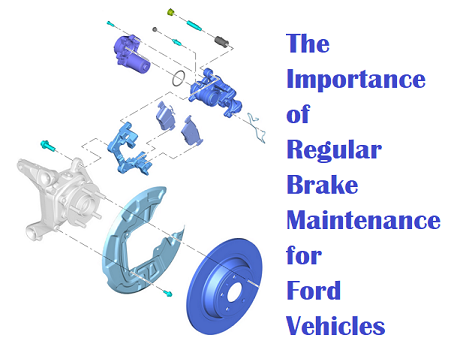
When it comes to vehicle safety, few components are as crucial as the brakes. For your Ford vehicle, regular brake maintenance is essential to ensure reliable stopping power, prevent costly repairs, and, most importantly, keep you and your passengers safe on the road. Here’s why maintaining your brakes should be a top priority and what you can do to keep them in optimal condition.
Ensuring Safety on the Road
The primary function of your Ford’s brake system is to safely stop the vehicle, often within seconds. Neglecting brake maintenance can lead to reduced braking efficiency, increased stopping distances, and, in worst-case scenarios, brake failure.
- Preventing Accidents: Properly maintained brakes are critical for avoiding accidents. Regular inspections can catch wear and tear early, ensuring that your brakes perform at their best when you need them most.
- Reliable Stopping Power: Whether you’re driving in heavy traffic, on a winding road, or in adverse weather conditions, you need to rely on your brakes to respond instantly. Regular maintenance helps ensure that your brakes will work reliably every time.
Identifying Wear and Tear Early
Brakes naturally wear down over time due to the friction involved in stopping the vehicle. Regular maintenance allows you to identify and address wear before it becomes a serious issue.
- Brake Pads: One of the most critical components of your brake system is the brake pads. These pads wear down over time and should be replaced before they reach the minimum thickness. Worn pads can reduce braking efficiency and damage other brake components, such as rotors.
- Rotors: Brake rotors can develop grooves or become warped from heat and friction. Regular inspections can identify when rotors need resurfacing or replacement, preventing vibrations, noise, and decreased stopping power.
Avoiding Costly Repairs
Regular brake maintenance can save you money in the long run by preventing minor issues from turning into major repairs.
- Preventative Maintenance: By replacing worn brake pads and maintaining fluid levels, you can avoid more extensive damage to rotors, calipers, and other components, which can be expensive to repair or replace.
- Extending Component Life: Regular maintenance helps extend the lifespan of your brake system components, reducing the frequency and cost of replacements.
Maintaining Optimal Brake Performance
To ensure your Ford’s brakes perform optimally, it’s essential to keep all components in good working order.
- Brake Fluid: Over time, brake fluid can absorb moisture, which reduces its boiling point and can lead to brake fade. Regularly checking and replacing brake fluid is critical for maintaining brake performance and preventing corrosion in the brake lines.
- Brake Lines: Inspecting brake lines for leaks or damage is essential to maintaining brake pressure and effectiveness. Any issues with the brake lines should be addressed immediately to avoid loss of braking power.
Recognizing Warning Signs
Your Ford vehicle will often give you signs that it’s time for brake maintenance. Being aware of these signs can help you address issues before they become dangerous.
- Squealing or Grinding Noises: If you hear squealing or grinding when you apply the brakes, it’s a clear sign that your brake pads may be worn and need replacement.
- Vibrations: If you feel vibrations in the steering wheel or brake pedal when braking, it could indicate warped rotors or uneven wear, which requires attention.
- Soft Brake Pedal: A brake pedal that feels soft or spongy when pressed may indicate air in the brake lines or a brake fluid leak. This issue requires immediate inspection.
- Dashboard Warning Light: If your brake warning light comes on, it’s essential to have your brakes inspected as soon as possible. This light can indicate a variety of issues, from low brake fluid to more severe system problems.
Scheduling Regular Inspections
To keep your Ford’s brake system in top shape, regular inspections and maintenance are key.
- Inspection Frequency: It’s recommended to have your brakes inspected at least once every 12,000 miles or once a year, depending on your driving habits. However, if you notice any of the warning signs mentioned earlier, it’s important to have your brakes checked immediately.
- Professional Service: While some basic checks can be done at home, professional brake inspections are crucial for identifying hidden issues. Certified technicians have the tools and expertise to thoroughly inspect and service your brake system, ensuring it meets safety standards.
Peach of Mind
Regular brake maintenance is not just about prolonging the life of your Ford vehicle’s components—it’s about ensuring your safety and the safety of others on the road. By staying proactive with brake inspections, replacing worn parts, and addressing any issues promptly, you can drive with confidence knowing that your brakes are ready to perform when you need them most. Keep your Ford’s brakes in top condition and enjoy the peace of mind that comes with a well-maintained vehicle.
Connect with us


- July 2026
- June 2026
- May 2026
- April 2026
- March 2026
- February 2026
- January 2026
- December 2025
- November 2025
- October 2025
- September 2025
- August 2025
- July 2025
- June 2025
- May 2025
- April 2025
- March 2025
- February 2025
- January 2025
- December 2024
- November 2024
- October 2024
- September 2024
- August 2024
- July 2024
- June 2024
- May 2024
- April 2024
Archives
- Accessories
- Air Conditioning
- Brakes
- Business Solutions
- Cleaning Tips
- Co-Pilot360
- Comparisons
- Connectivity
- Driving Safety
- Driving Tips
- EcoBoost Technology
- Electric Vehicles
- Environment
- Family Fun
- Financing
- Fleet Service
- Ford Performance
- Ford Pro
- Ford Racing
- Ford SUVs
- Ford Vehicles
- FordPass App
- Fuel Efficiency
- General Information
- Helpful Hints
- History
- Hybrid Vehicles
- Insurance
- Local Information
- Maintenance & Service
- New Drivers
- New Ford Trucks
- New Vehicles
- Parts & Parts Department
- Powerstroke Diesel Engines
- Pre-Owned Vehicles
- Radio
- Road Trips & Vacations
- Safety Tips
- Seasonal
- Service Tips
- Shopping
- SYNC System
- Technology
- The Future of Ford
- Tires
- Towing
- Uncategorized
- Vehicle Buying Process
- Vehicle Details
- Warranties