

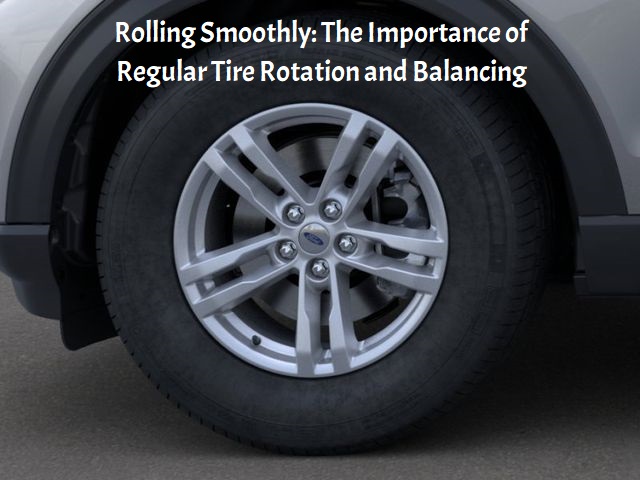
As car owners, it’s easy to overlook the critical role that our tires play in the overall performance and safety of our vehicles. Tire maintenance, particularly rotation and balancing, is often underestimated. In this blog post, we’ll delve into the significance of regular tire rotation and balancing, and why it’s essential to ask yourself: When was the last time your tires were rotated and balanced?
Tire Rotation: Preserving Tread Equality
Tire rotation involves moving tires from one position to another on your vehicle. The purpose is to ensure that each tire wears evenly over time. Front tires typically wear differently than rear tires due to variations in weight distribution and steering forces. Regular rotation helps equalize tread wear, extending the lifespan of your tires and enhancing overall traction.
Balancing Act: Even Weight Distribution
Balancing your tires is an integral part of tire maintenance. When your tires are mounted on the wheels, slight imbalances can occur, leading to uneven wear, vibrations, and potential handling issues. Balancing involves adding small weights to the wheel to counterbalance any irregularities. Properly balanced tires provide a smoother ride, reduce strain on suspension components, and improve fuel efficiency.
Extended Tire Lifespan
Tire replacement can be a significant expense, and maximizing the lifespan of your tires is a cost-effective approach to vehicle maintenance. Regular rotation and balancing prevent uneven wear patterns, ensuring that your tires wear out at a consistent rate. This not only extends the life of your tires but also contributes to a safer driving experience.
Improved Fuel Efficiency
Unevenly worn tires can result in increased rolling resistance, leading to decreased fuel efficiency. By rotating and balancing your tires, you promote even wear, allowing your vehicle to move more efficiently on the road. This, in turn, can positively impact your fuel economy, saving you money over time.
Enhanced Vehicle Performance
Properly maintained tires contribute to overall vehicle performance. Balanced and rotated tires ensure that your car handles predictably and responds well to steering inputs. This is especially crucial for maintaining control in adverse weather conditions or emergency situations.
Preventing Vibrations and Unwanted Noises

If you’ve noticed vibrations or unusual noises while driving, it could be a sign that your tires are out of balance. Addressing this issue through regular balancing not only improves your driving comfort but also prevents potential damage to other vehicle components caused by excessive vibrations.
Responsible Car Ownership
Regular tire rotation and balancing are essential elements of responsible car ownership. By incorporating these practices into your routine maintenance schedule, you not only promote even tire wear but also contribute to a safer, more efficient, and enjoyable driving experience. So, take a moment to ask yourself: When was the last time your tires were rotated and balanced? If it’s been a while, now might be the perfect time to give your tires the attention they deserve. Your vehicle—and your wallet—will thank you in the long run.
Connect with us


- July 2026
- June 2026
- May 2026
- April 2026
- March 2026
- February 2026
- January 2026
- December 2025
- November 2025
- October 2025
- September 2025
- August 2025
- July 2025
- June 2025
- May 2025
- April 2025
- March 2025
- February 2025
- January 2025
- December 2024
- November 2024
- October 2024
- September 2024
- August 2024
- July 2024
- June 2024
- May 2024
- April 2024
Archives
- Accessories
- Air Conditioning
- Brakes
- Business Solutions
- Cleaning Tips
- Co-Pilot360
- Comparisons
- Connectivity
- Driving Safety
- Driving Tips
- EcoBoost Technology
- Electric Vehicles
- Environment
- Family Fun
- Financing
- Fleet Service
- Ford Performance
- Ford Pro
- Ford Racing
- Ford SUVs
- Ford Vehicles
- FordPass App
- Fuel Efficiency
- General Information
- Helpful Hints
- History
- Hybrid Vehicles
- Insurance
- Local Information
- Maintenance & Service
- New Drivers
- New Ford Trucks
- New Vehicles
- Parts & Parts Department
- Powerstroke Diesel Engines
- Pre-Owned Vehicles
- Radio
- Road Trips & Vacations
- Safety Tips
- Seasonal
- Service Tips
- Shopping
- SYNC System
- Technology
- The Future of Ford
- Tires
- Towing
- Uncategorized
- Vehicle Buying Process
- Vehicle Details
- Warranties