

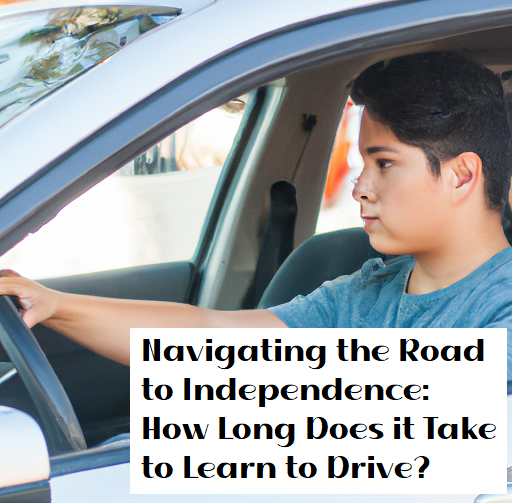
Learning to drive is a significant milestone in many people’s lives, marking the journey toward independence and the ability to explore the world on one’s terms. However, the time it takes to become a confident and skilled driver can vary widely from person to person. In this blog, we’ll explore the factors that influence the duration of the learning process and offer insights to help aspiring drivers manage expectations.
Driver’s Education Programs
The first step on the road to becoming a proficient driver often involves enrolling in a driver’s education program. These programs typically include classroom instruction and practical driving lessons. The duration of these programs varies but often ranges from a few weeks to a few months. Completion of a driver’s education course may be a requirement for obtaining a learner’s permit, depending on the jurisdiction.
Learner’s Permit Phase
After completing a driver’s education program, many aspiring drivers go through a learner’s permit phase. During this period, new drivers are required to practice driving under the supervision of a licensed adult before obtaining a full driver’s license. The duration of the learner’s permit phase varies by location but commonly ranges from a few months to a year. It provides new drivers with valuable experience in different driving conditions.
Practice Hours
The amount of time spent behind the wheel during the learner’s permit phase significantly influences how quickly one becomes a skilled driver. Many jurisdictions have specific requirements for the number of practice hours needed before taking the driving test. It’s essential to use this time wisely, practicing a variety of skills such as parking, highway driving, and navigating different road conditions.
Individual Learning Styles
People have different learning styles and rates of skill acquisition. Some individuals may grasp driving concepts quickly and feel confident on the road sooner, while others may require more time to build their skills and confidence. It’s important to recognize and respect these individual differences and avoid comparing one’s progress to others.
Consistency and Frequency of Practice
Consistency and frequency of practice play a crucial role in how long it takes to learn to drive. Regular practice sessions, even if they are shorter in duration, can be more effective than infrequent, lengthy sessions. The more often a new driver gets behind the wheel, the more comfortable and confident they are likely to become.
Driving Test Preparation

Once the required practice hours are completed, the aspiring driver must prepare for the driving test. This involves refining skills, reviewing traffic rules, and familiarizing oneself with the test route. Adequate preparation can boost confidence and increase the likelihood of passing the driving test on the first attempt.
Embrace the Learning Process
Learning to drive is a unique and personal journey, and there is no one-size-fits-all answer to the question of how long it takes. By embracing the learning process, staying consistent with practice, and being patient with oneself, aspiring drivers can navigate the road to independence at their own pace. The key is to focus on acquiring the necessary skills and experience to become a safe and responsible driver, ensuring a lifetime of enjoyable and confident driving.
Connect with us


- July 2026
- June 2026
- May 2026
- April 2026
- March 2026
- February 2026
- January 2026
- December 2025
- November 2025
- October 2025
- September 2025
- August 2025
- July 2025
- June 2025
- May 2025
- April 2025
- March 2025
- February 2025
- January 2025
- December 2024
- November 2024
- October 2024
- September 2024
- August 2024
- July 2024
- June 2024
- May 2024
- April 2024
Archives
- Accessories
- Air Conditioning
- Brakes
- Business Solutions
- Cleaning Tips
- Co-Pilot360
- Comparisons
- Connectivity
- Driving Safety
- Driving Tips
- EcoBoost Technology
- Electric Vehicles
- Environment
- Family Fun
- Financing
- Fleet Service
- Ford Performance
- Ford Pro
- Ford Racing
- Ford SUVs
- Ford Vehicles
- FordPass App
- Fuel Efficiency
- General Information
- Helpful Hints
- History
- Hybrid Vehicles
- Insurance
- Local Information
- Maintenance & Service
- New Drivers
- New Ford Trucks
- New Vehicles
- Parts & Parts Department
- Powerstroke Diesel Engines
- Pre-Owned Vehicles
- Radio
- Road Trips & Vacations
- Safety Tips
- Seasonal
- Service Tips
- Shopping
- SYNC System
- Technology
- The Future of Ford
- Tires
- Towing
- Uncategorized
- Vehicle Buying Process
- Vehicle Details
- Warranties