

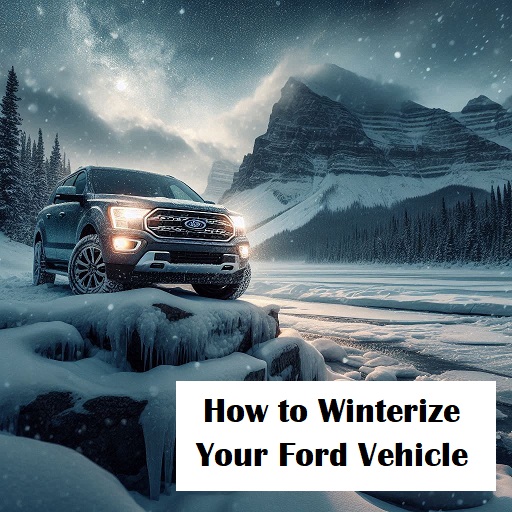
Winter can be tough on your vehicle, especially in regions that experience harsh weather conditions. To ensure your Ford vehicle remains reliable, safe, and efficient during the cold months, it’s essential to take the necessary steps to winterize it. This blog outlines key steps you should take to prepare your Ford for winter driving.
Check Your Battery
Cold temperatures can significantly affect your vehicle’s battery performance. Before winter arrives, have your battery tested to ensure it is holding a charge. Look for any signs of corrosion on the terminals and clean them if necessary. If your battery is more than three years old or showing signs of weakness, consider replacing it to avoid being stranded in freezing conditions.
Inspect the Tires
Proper tire maintenance is crucial for winter driving. Check the tread depth on your tires; it should be at least 4/32 of an inch for adequate traction in snowy conditions. If you live in an area prone to heavy snowfall, consider investing in winter tires designed to perform better in cold and slippery conditions. Additionally, ensure your tire pressure is at the recommended level, as cold weather can cause tires to lose pressure.
Change to Winter Wiper Blades and Fluid
Visibility is essential during winter, so it’s a good idea to replace your wiper blades with winter-specific ones, which are designed to handle snow and ice better. Additionally, make sure to fill your windshield washer reservoir with winter-grade washer fluid to prevent it from freezing.
Check Your Antifreeze Levels
Antifreeze is crucial for preventing your engine from freezing in cold temperatures. Check your coolant levels and ensure your antifreeze is mixed appropriately (usually a 50/50 mix of antifreeze and water). If you’re unsure about the condition of your coolant, have it tested to ensure it can withstand the cold temperatures in your area.
Inspect Your Brakes
Winter driving often requires more from your braking system, so it’s vital to ensure your brakes are in top condition. Have your brake pads, rotors, and brake fluid inspected by a professional. If you notice any unusual sounds or decreased responsiveness, address those issues before the winter weather sets in.
Test Your Heating System
A functioning heating system is crucial for comfort and safety in winter driving. Test your heater to ensure it’s working properly and efficiently. If you notice any issues, such as strange smells or inadequate heat, have it inspected and repaired before the cold weather arrives.
Check Your Lights
Shorter days and longer nights mean your vehicle’s lights will be used more often in winter. Inspect all exterior lights, including headlights, taillights, turn signals, and fog lights, to ensure they are functioning correctly. Replace any burned-out bulbs and clean the lenses to improve visibility.
Prepare an Emergency Kit
Winter can bring unexpected weather conditions, so it’s wise to prepare an emergency kit for your Ford vehicle. Your kit should include:
- Blankets
- Non-perishable snacks
- Water
- Flashlight with extra batteries
- First aid kit
- Jumper cables
- Tow strap
- Ice scraper and snow brush
- Sand or kitty litter for traction
- Flares or reflective triangles
This kit will help you stay safe and comfortable in case of an emergency.
Protect Your Exterior
Winter can be tough on your vehicle’s exterior due to road salt and grime. Consider applying a protective wax or sealant to your Ford’s paint to help shield it from the elements. Additionally, wash your vehicle regularly during winter to remove any salt buildup and prevent rusting.
Store Seasonal Items Properly
If you use your vehicle for winter sports, such as skiing or snowboarding, make sure to store any gear properly when not in use. Remove any unnecessary items from your vehicle to reduce weight and improve fuel efficiency.
Protect Your Vehicle
Winterizing your Ford vehicle is crucial to ensure it remains reliable and safe during the colder months. By following these steps, you can protect your vehicle from winter weather, enhance your driving experience, and minimize the risk of breakdowns. Taking the time to prepare your vehicle for winter will not only give you peace of mind but also ensure that you and your passengers arrive safely at your destination, no matter the weather conditions.
Connect with us


- July 2026
- June 2026
- May 2026
- April 2026
- March 2026
- February 2026
- January 2026
- December 2025
- November 2025
- October 2025
- September 2025
- August 2025
- July 2025
- June 2025
- May 2025
- April 2025
- March 2025
- February 2025
- January 2025
- December 2024
- November 2024
- October 2024
- September 2024
- August 2024
- July 2024
- June 2024
- May 2024
- April 2024
Archives
- Accessories
- Air Conditioning
- Brakes
- Business Solutions
- Cleaning Tips
- Co-Pilot360
- Comparisons
- Connectivity
- Driving Safety
- Driving Tips
- EcoBoost Technology
- Electric Vehicles
- Environment
- Family Fun
- Financing
- Fleet Service
- Ford Performance
- Ford Pro
- Ford Racing
- Ford SUVs
- Ford Vehicles
- FordPass App
- Fuel Efficiency
- General Information
- Helpful Hints
- History
- Hybrid Vehicles
- Insurance
- Local Information
- Maintenance & Service
- New Drivers
- New Ford Trucks
- New Vehicles
- Parts & Parts Department
- Powerstroke Diesel Engines
- Pre-Owned Vehicles
- Radio
- Road Trips & Vacations
- Safety Tips
- Seasonal
- Service Tips
- Shopping
- SYNC System
- Technology
- The Future of Ford
- Tires
- Towing
- Uncategorized
- Vehicle Buying Process
- Vehicle Details
- Warranties