

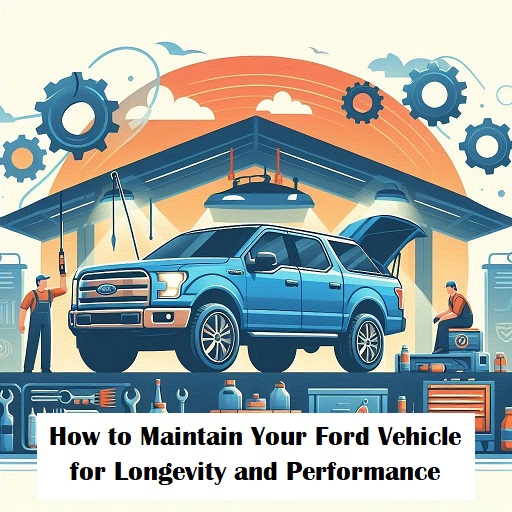
Owning a Ford vehicle comes with the promise of reliability, performance, and a legacy of automotive excellence. However, to ensure that your Ford continues to run smoothly and maintain its value over time, regular maintenance is crucial. In this blog, we’ll cover essential tips and practices to help you maintain your Ford vehicle for longevity and optimal performance, keeping it on the road for many years to come.
Follow the Manufacturer’s Maintenance Schedule
One of the most important aspects of vehicle maintenance is adhering to the manufacturer’s recommended maintenance schedule. Ford provides a detailed maintenance guide in the owner’s manual, outlining when to perform essential services like oil changes, tire rotations, and brake inspections.
- Regular Oil Changes: Changing the oil and oil filter is vital for engine health. Fresh oil ensures that your engine runs smoothly by reducing friction and preventing the buildup of harmful deposits. Ford recommends oil changes every 5,000 to 7,500 miles, depending on your driving habits and the type of oil used.
- Scheduled Inspections: Regular inspections allow you to catch potential issues before they become major problems. Follow Ford’s schedule for checking and replacing components such as the air filter, spark plugs, and fluids to keep your vehicle in peak condition.
Keep an Eye on Fluids
Your Ford relies on a variety of fluids to function correctly, from engine oil to coolant and transmission fluid. Regularly checking and topping off these fluids is essential to prevent overheating, wear, and damage.
- Coolant Levels: Ensure that your coolant levels are within the recommended range to avoid overheating, especially during hot weather or long trips. Regularly inspect the coolant for any signs of contamination or leaks.
- Transmission Fluid: Transmission fluid is crucial for smooth shifting and overall transmission health. Check the fluid level regularly and look for any discoloration or burning smells, which could indicate a problem. Replace the fluid according to Ford’s guidelines.
- Brake Fluid: Brake fluid is key to the proper functioning of your vehicle’s braking system. Low brake fluid levels or contaminated fluid can lead to reduced braking performance. Have your brake fluid checked during regular maintenance visits and replaced as needed.
Maintain Your Tires
Tires are the only part of your vehicle that makes contact with the road, so keeping them in good condition is essential for safety, performance, and fuel efficiency.
- Regular Tire Rotations: Rotating your tires every 5,000 to 7,000 miles ensures even wear, which extends their lifespan and improves handling. Uneven tire wear can lead to poor traction and reduced fuel efficiency.
- Check Tire Pressure: Maintaining the correct tire pressure is crucial for safety and fuel economy. Underinflated or overinflated tires can lead to uneven wear, reduced handling, and increased fuel consumption. Check your tire pressure monthly and adjust it according to the specifications in your owner’s manual.
- Wheel Alignment and Balancing: If you notice your Ford pulling to one side or experiencing vibrations at certain speeds, it may be time to have your wheels aligned and balanced. Proper alignment and balancing prevent uneven tire wear and improve ride comfort.
Brake System Maintenance
Your brakes are one of the most critical safety components of your vehicle. Regular maintenance ensures that your brakes perform at their best and last longer.
- Brake Pad and Rotor Inspection: Over time, brake pads wear down and need to be replaced to maintain effective braking performance. Regularly inspect the brake pads and rotors for wear and replace them when necessary.
- Brake Fluid Flush: As mentioned earlier, keeping your brake fluid clean and at the proper level is essential. A brake fluid flush every two years or as recommended by Ford helps remove contaminants and maintains optimal braking performance.
Battery Care
Your Ford’s battery powers everything from the engine to the electronics. Regular battery maintenance can prevent unexpected breakdowns.
- Check Battery Terminals: Inspect the battery terminals for corrosion and ensure they are securely connected. Clean the terminals with a mixture of baking soda and water if corrosion is present.
- Test Battery Health: If your vehicle’s battery is more than three years old, consider having it tested during routine maintenance visits. This can help you avoid a dead battery and ensure your vehicle starts reliably.
Protect the Exterior and Interior
Maintaining your Ford’s appearance not only keeps it looking great but also helps preserve its resale value.
- Regular Washing and Waxing: Washing your vehicle regularly removes dirt, road salt, and other contaminants that can damage the paint over time. Applying wax every few months adds a protective layer, helping to prevent oxidation and keep the paint looking fresh.
- Interior Care: Clean the interior regularly to prevent wear and tear on the upholstery and dashboard. Vacuum the seats and carpets, wipe down surfaces, and use protectants to prevent fading and cracking from UV exposure.
Pay Attention to Warning Lights
Modern Ford vehicles are equipped with various sensors and warning lights to alert you to potential issues. If a warning light appears on your dashboard, don’t ignore it.
- Check Engine Light: The check engine light can indicate a range of issues, from a loose gas cap to more serious engine problems. Have your vehicle inspected by a professional as soon as possible to diagnose and address the issue.
- Other Warning Lights: Lights for the ABS, battery, oil pressure, and other systems are all important indicators of your vehicle’s health. Addressing these warnings promptly can prevent more significant problems and costly repairs.
Use Quality Parts and Fluids
When it comes to replacement parts and fluids, using high-quality, Ford-approved products is essential. Genuine Ford parts are designed to fit and function perfectly with your vehicle, ensuring optimal performance and longevity.
Extend the Life of Your Ford Vehicle
Proper maintenance is key to extending the life of your Ford vehicle and ensuring it delivers the performance you expect. By following these tips—adhering to the maintenance schedule, checking fluids, maintaining your tires and brakes, caring for the battery and exterior, and paying attention to warning lights—you can keep your Ford running smoothly for years to come.
Regular care and attention not only help prevent breakdowns and costly repairs but also enhance your driving experience, making every journey in your Ford as enjoyable as the first.
Connect with us


- July 2026
- June 2026
- May 2026
- April 2026
- March 2026
- February 2026
- January 2026
- December 2025
- November 2025
- October 2025
- September 2025
- August 2025
- July 2025
- June 2025
- May 2025
- April 2025
- March 2025
- February 2025
- January 2025
- December 2024
- November 2024
- October 2024
- September 2024
- August 2024
- July 2024
- June 2024
- May 2024
- April 2024
Archives
- Accessories
- Air Conditioning
- Brakes
- Business Solutions
- Cleaning Tips
- Co-Pilot360
- Comparisons
- Connectivity
- Driving Safety
- Driving Tips
- EcoBoost Technology
- Electric Vehicles
- Environment
- Family Fun
- Financing
- Fleet Service
- Ford Performance
- Ford Pro
- Ford Racing
- Ford SUVs
- Ford Vehicles
- FordPass App
- Fuel Efficiency
- General Information
- Helpful Hints
- History
- Hybrid Vehicles
- Insurance
- Local Information
- Maintenance & Service
- New Drivers
- New Ford Trucks
- New Vehicles
- Parts & Parts Department
- Powerstroke Diesel Engines
- Pre-Owned Vehicles
- Radio
- Road Trips & Vacations
- Safety Tips
- Seasonal
- Service Tips
- Shopping
- SYNC System
- Technology
- The Future of Ford
- Tires
- Towing
- Uncategorized
- Vehicle Buying Process
- Vehicle Details
- Warranties