

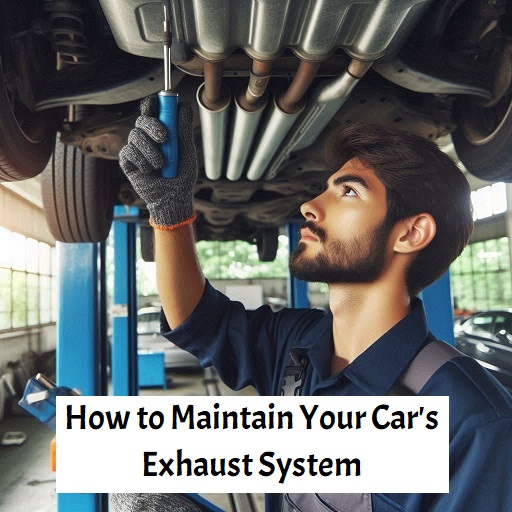
The exhaust system in your car plays a vital role in its performance, fuel efficiency, and overall safety. It directs harmful gases away from the engine and cabin, reduces noise, and helps control emissions. Maintaining your exhaust system is crucial for ensuring your vehicle runs smoothly and efficiently. In this blog, we’ll discuss the components of the exhaust system, common issues, and tips for effective maintenance.
Understanding Your Car’s Exhaust System
Your car’s exhaust system consists of several key components that work together to expel exhaust gases from the engine:
- Exhaust Manifold: This component collects exhaust gases from the engine cylinders and directs them into the exhaust system.
- Catalytic Converter: The catalytic converter reduces harmful emissions by converting toxic gases into less harmful substances before they exit the vehicle.
- Muffler: The muffler reduces noise produced by the engine and exhaust gases, providing a quieter driving experience.
- Exhaust Pipes: These pipes carry exhaust gases from the manifold through the catalytic converter and muffler and out of the vehicle.
- O2 Sensors: Oxygen sensors monitor the level of oxygen in the exhaust gases, helping the engine control module adjust the air-fuel mixture for optimal performance.
Common Exhaust System Issues
- Rust and Corrosion: Exhaust systems are exposed to heat and moisture, leading to rust and corrosion over time. This can cause leaks and reduce system efficiency
- Exhaust Leaks: Leaks can occur in any part of the exhaust system, often resulting in increased noise, decreased fuel efficiency, and the release of harmful gases into the cabin.
- Clogged Catalytic Converter: A clogged catalytic converter can cause poor engine performance, increased emissions, and decreased fuel efficiency.
- Broken or Damaged Mounts: Exhaust system components are secured with mounts that can wear out or break over time, causing vibrations, rattling noises, and misalignment.
Tips for Maintaining Your Car’s Exhaust System
- Regular Inspections: Regularly inspect your exhaust system for signs of damage, rust, or leaks. Look for any visible holes, cracks, or corrosion, especially on the pipes, catalytic converter, and muffler. If you notice any unusual noises, such as loud rumbling or hissing, it may indicate an exhaust leak.
- Tip: Schedule a professional inspection at least once a year, or more frequently if you notice any symptoms of exhaust issues.
- Keep the Underbody Clean: Cleaning the underbody of your vehicle helps prevent rust and corrosion in the exhaust system. Salt, dirt, and debris can accumulate, especially in winter months, leading to premature wear.
- Tip: Wash the undercarriage of your car regularly, especially after driving on salted roads. A thorough cleaning can help prolong the life of your exhaust system.
- Monitor Performance and Emissions: Pay attention to any changes in your vehicle’s performance, fuel efficiency, or exhaust emissions. Decreased performance, increased fuel consumption, or the check engine light illuminating can indicate exhaust system problems.
- Tip: If you notice any changes, have your exhaust system checked by a professional mechanic to identify and address any issues promptly.
- Use Quality Replacement Parts: If repairs or replacements are necessary, using high-quality OEM (Original Equipment Manufacturer) parts ensures compatibility and durability. Cheap aftermarket parts may not fit properly and could lead to more issues down the line.
- Tip: Consult your vehicle’s owner manual or a trusted mechanic to select the right parts for your exhaust system.
- Address Issues Promptly: Don’t ignore signs of exhaust system problems, such as unusual noises, strong odors, or decreased performance. Addressing issues early can prevent more extensive damage and costly repairs.
- Tip: If you suspect a problem with your exhaust system, consult a qualified mechanic for a thorough diagnosis and repair.
- Consider Professional Maintenance: Professional maintenance can help keep your exhaust system in top condition. A qualified technician can inspect, clean, and perform necessary repairs to ensure optimal performance.
- Tip: Consider having your exhaust system serviced during regular vehicle maintenance or whenever you notice issues.
Essential Maintenance

Maintaining your car’s exhaust system is essential for ensuring optimal performance, fuel efficiency, and safety. By regularly inspecting the system, cleaning the underbody, monitoring performance, and addressing issues promptly, you can prolong the life of your exhaust system and keep your vehicle running smoothly. If you encounter any problems or have concerns about your exhaust system, don’t hesitate to consult a qualified mechanic. With proper care and attention, your exhaust system will serve you well, contributing to a cleaner and more efficient driving experience.
Connect with us


- July 2026
- June 2026
- May 2026
- April 2026
- March 2026
- February 2026
- January 2026
- December 2025
- November 2025
- October 2025
- September 2025
- August 2025
- July 2025
- June 2025
- May 2025
- April 2025
- March 2025
- February 2025
- January 2025
- December 2024
- November 2024
- October 2024
- September 2024
- August 2024
- July 2024
- June 2024
- May 2024
- April 2024
Archives
- Accessories
- Air Conditioning
- Brakes
- Business Solutions
- Cleaning Tips
- Co-Pilot360
- Comparisons
- Connectivity
- Driving Safety
- Driving Tips
- EcoBoost Technology
- Electric Vehicles
- Environment
- Family Fun
- Financing
- Fleet Service
- Ford Performance
- Ford Pro
- Ford Racing
- Ford SUVs
- Ford Vehicles
- FordPass App
- Fuel Efficiency
- General Information
- Helpful Hints
- History
- Hybrid Vehicles
- Insurance
- Local Information
- Maintenance & Service
- New Drivers
- New Ford Trucks
- New Vehicles
- Parts & Parts Department
- Powerstroke Diesel Engines
- Pre-Owned Vehicles
- Radio
- Road Trips & Vacations
- Safety Tips
- Seasonal
- Service Tips
- Shopping
- SYNC System
- Technology
- The Future of Ford
- Tires
- Towing
- Uncategorized
- Vehicle Buying Process
- Vehicle Details
- Warranties