

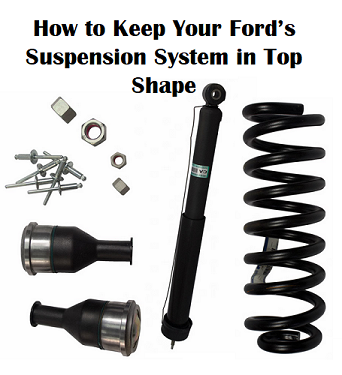
Your Ford’s suspension system is crucial for providing a smooth ride, ensuring vehicle stability, and maintaining control on the road. A well-maintained suspension system enhances comfort and safety, while neglect can lead to costly repairs and compromised driving performance. Here’s how you can keep your Ford’s suspension system in top shape.
Understand the Components of Your Suspension System
Before diving into maintenance tips, it’s helpful to understand the key components of your Ford’s suspension system:
- Springs: These support the weight of the vehicle and absorb shocks from road surfaces.
- Shocks and Struts: These control the movement of the springs and help keep your tires in contact with the road.
- Control Arms: These connect the suspension to the frame and allow for up-and-down movement.
- Bushings: These are rubber components that reduce friction between metal parts and absorb road shock.
- Ball Joints: These allow for movement in the suspension while connecting the control arms to the steering knuckles.
Regularly Inspect Your Suspension System
Regular inspections are key to catching problems early and keeping your suspension system in good condition.
- Visual Inspection: Look for signs of wear or damage, such as leaking shocks, cracked or broken springs, and worn bushings. If you notice any of these issues, it’s time to consult a professional mechanic.
- Listen for Unusual Noises: Squeaking, clunking, or knocking sounds while driving, especially over bumps, can indicate worn or damaged suspension components.
- Check Tire Wear: Uneven tire wear can be a sign that your suspension system is out of alignment or that there’s a problem with a specific component.
Maintain Proper Tire Pressure and Alignment
Tire pressure and alignment are closely related to the health of your suspension system.
- Tire Pressure: Ensure that your tires are inflated to the manufacturer’s recommended pressure. Underinflated or overinflated tires can cause uneven wear and put additional strain on the suspension.
- Wheel Alignment: Have your wheel alignment checked regularly, especially if you notice the vehicle pulling to one side. Misalignment can cause uneven tire wear and affect the handling of your Ford.
Replace Worn Shocks and Struts
Shocks and struts play a critical role in your suspension system, so replacing them when they’re worn is essential.
- Signs of Wear: If you experience excessive bouncing after hitting a bump, a nose dive when braking, or a rough ride, your shocks or struts may need replacement.
- Mileage Guidelines: Typically, shocks and struts should be inspected at around 50,000 miles. Depending on driving conditions, they may need replacement between 50,000 and 100,000 miles.
Avoid Overloading Your Vehicle
Overloading your Ford can put undue stress on the suspension system.
- Know Your Vehicle’s Limits: Always adhere to your vehicle’s Gross Vehicle Weight Rating (GVWR) to avoid damaging the suspension.
- Distribute Weight Evenly: When carrying heavy loads, distribute the weight evenly to prevent straining one side of the suspension more than the other.
Drive Carefully Over Rough Terrain
How you drive can significantly impact the lifespan of your suspension system.
- Slow Down on Bumps and Potholes: Hitting bumps or potholes at high speed can cause significant damage to your suspension components.
- Avoid Off-Road Driving: Unless your Ford is specifically designed for off-road use, try to avoid rough terrain that can strain the suspension.
Keep an Eye on the Bushings and Ball Joints
Bushings and ball joints are often overlooked but are essential for a smooth and quiet ride.
- Check for Wear: Over time, bushings can wear out and ball joints can become loose, leading to poor handling and noise. If you notice excessive play in the steering or strange noises, these components may need attention.
- Replace When Necessary: Worn bushings and ball joints should be replaced promptly to maintain vehicle stability and control.
Schedule Regular Professional Inspections
While you can perform basic checks yourself, it’s essential to have your suspension system inspected by a professional regularly.
- Routine Maintenance: During regular vehicle service appointments, ask your mechanic to check the suspension system, especially if you notice any changes in handling or ride quality.
- Diagnostic Checks: Professional mechanics have the tools and expertise to diagnose issues that may not be visible during a basic inspection.
Extend the Life of Your Vehicle
Maintaining your Ford’s suspension system is crucial for ensuring a smooth, safe, and comfortable ride. By regularly inspecting key components, replacing worn parts, and adopting good driving habits, you can extend the life of your suspension system and avoid costly repairs down the road. Keeping your suspension in top shape not only enhances your driving experience but also protects the overall health and performance of your Ford vehicle.
Connect with us


- July 2026
- June 2026
- May 2026
- April 2026
- March 2026
- February 2026
- January 2026
- December 2025
- November 2025
- October 2025
- September 2025
- August 2025
- July 2025
- June 2025
- May 2025
- April 2025
- March 2025
- February 2025
- January 2025
- December 2024
- November 2024
- October 2024
- September 2024
- August 2024
- July 2024
- June 2024
- May 2024
- April 2024
Archives
- Accessories
- Air Conditioning
- Brakes
- Business Solutions
- Cleaning Tips
- Co-Pilot360
- Comparisons
- Connectivity
- Driving Safety
- Driving Tips
- EcoBoost Technology
- Electric Vehicles
- Environment
- Family Fun
- Financing
- Fleet Service
- Ford Performance
- Ford Pro
- Ford Racing
- Ford SUVs
- Ford Vehicles
- FordPass App
- Fuel Efficiency
- General Information
- Helpful Hints
- History
- Hybrid Vehicles
- Insurance
- Local Information
- Maintenance & Service
- New Drivers
- New Ford Trucks
- New Vehicles
- Parts & Parts Department
- Powerstroke Diesel Engines
- Pre-Owned Vehicles
- Radio
- Road Trips & Vacations
- Safety Tips
- Seasonal
- Service Tips
- Shopping
- SYNC System
- Technology
- The Future of Ford
- Tires
- Towing
- Uncategorized
- Vehicle Buying Process
- Vehicle Details
- Warranties