
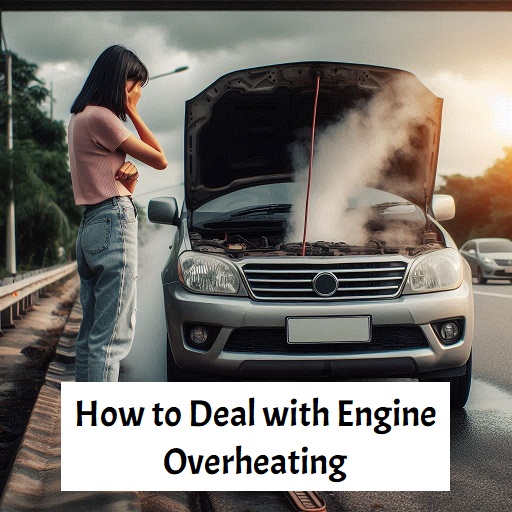
Engine overheating is one of the most common issues faced by vehicle owners and can lead to severe damage if not addressed promptly. Understanding the causes and knowing how to react can save you from costly repairs and keep your car running smoothly. In this blog, we’ll discuss how to deal with engine overheating, including preventive measures and what to do when it happens.
Understanding Engine Overheating
Before diving into solutions, it’s essential to understand what causes engine overheating. Common culprits include:
- Low Coolant Levels: Insufficient coolant can lead to overheating as it prevents the engine from dissipating heat effectively.
- Coolant Leaks: Leaks in the cooling system, such as hoses, radiators, or gaskets, can result in coolant loss.
- Thermostat Issues: A malfunctioning thermostat can prevent coolant from flowing through the engine, causing it to overheat.
- Faulty Water Pump: The water pump circulates coolant throughout the engine; if it fails, overheating is likely.
- Blocked Radiator: A blocked or dirty radiator can impede airflow, reducing its ability to cool the engine.
Preventive Measures
Taking proactive steps can help you avoid overheating in the first place:
Regular Coolant Checks:
- Frequently check your coolant levels and ensure the system is filled to the appropriate level. Top off with the recommended coolant type as needed.
Inspect for Leaks:
- Regularly inspect your vehicle for signs of coolant leaks, such as puddles under the car or damp spots on hoses and connections. If you find any leaks, have them repaired promptly.
Maintain the Cooling System:
- Flush and replace your coolant as recommended in your owner’s manual, typically every 30,000 miles or so. This helps remove contaminants and prevents corrosion.
Monitor the Temperature Gauge:
- Keep an eye on your dashboard temperature gauge while driving. If it begins to rise above the normal range, take action immediately.
Check the Thermostat and Water Pump:
- Have your thermostat and water pump checked during routine maintenance to ensure they are functioning correctly.
What to Do When Your Engine Overheats
If you notice that your engine is overheating, follow these steps:
Pull Over Safely:
- As soon as you notice the temperature gauge rising or see warning lights, pull over to a safe location and turn off the engine.
Allow the Engine to Cool:
- Give your engine time to cool down. This can take 30 minutes or more, depending on the severity of the overheating.
Check for Coolant Leaks:
- Once the engine has cooled, carefully open the hood and look for any visible coolant leaks or steam coming from the engine.
Check the Coolant Level:
- If the coolant reservoir is accessible, check the level. If it’s low, you may be able to add coolant, but only do this when the engine is cool to avoid burns from hot steam.
Inspect the Radiator and Hoses:
- Look for any signs of damage, such as cracks or bulges in the hoses. If you notice any issues, it’s best to call for roadside assistance.
Restart the Engine:
- After letting the engine cool, restart it and monitor the temperature gauge closely. If it remains high or continues to rise, turn off the engine again and seek professional help.
Seek Professional Assistance:
- If you are unable to determine the cause of the overheating or if the problem persists, contact a professional mechanic for a thorough inspection and repairs.
Mitigate the Risks
Engine overheating can be a serious issue, but with proper knowledge and preventative measures, you can mitigate the risks and deal with it effectively. Regular maintenance, monitoring your vehicle’s cooling system, and knowing how to respond when overheating occurs will help you protect your engine and ensure a longer lifespan for your vehicle. Always prioritize safety and don’t hesitate to seek professional assistance when necessary. By taking these steps, you can keep your engine running smoothly and avoid costly repairs down the road.
Connect with us


- July 2026
- June 2026
- May 2026
- April 2026
- March 2026
- February 2026
- January 2026
- December 2025
- November 2025
- October 2025
- September 2025
- August 2025
- July 2025
- June 2025
- May 2025
- April 2025
- March 2025
- February 2025
- January 2025
- December 2024
- November 2024
- October 2024
- September 2024
- August 2024
- July 2024
- June 2024
- May 2024
- April 2024
Archives
- Accessories
- Air Conditioning
- Brakes
- Business Solutions
- Cleaning Tips
- Co-Pilot360
- Comparisons
- Connectivity
- Driving Safety
- Driving Tips
- EcoBoost Technology
- Electric Vehicles
- Environment
- Family Fun
- Financing
- Fleet Service
- Ford Performance
- Ford Pro
- Ford Racing
- Ford SUVs
- Ford Vehicles
- FordPass App
- Fuel Efficiency
- General Information
- Helpful Hints
- History
- Hybrid Vehicles
- Insurance
- Local Information
- Maintenance & Service
- New Drivers
- New Ford Trucks
- New Vehicles
- Parts & Parts Department
- Powerstroke Diesel Engines
- Pre-Owned Vehicles
- Radio
- Road Trips & Vacations
- Safety Tips
- Seasonal
- Service Tips
- Shopping
- SYNC System
- Technology
- The Future of Ford
- Tires
- Towing
- Uncategorized
- Vehicle Buying Process
- Vehicle Details
- Warranties