

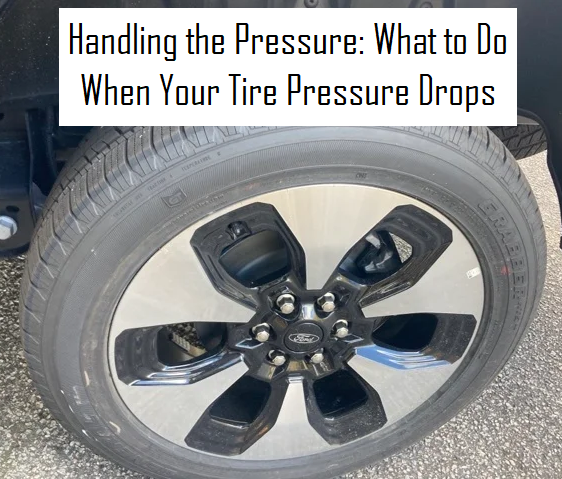
Maintaining proper tire pressure is a crucial aspect of vehicle safety and performance. When your tire pressure drops, it can affect your car’s handling, fuel efficiency, and even lead to unsafe driving conditions. In this blog, we’ll explore the common reasons behind tire pressure loss and provide a step-by-step guide on what to do when you notice a drop in pressure.
Understand the Signs of Low Tire Pressure
Before delving into the actions to take, it’s essential to recognize the signs of low tire pressure. These may include a persistent vibration, uneven tire wear, a sluggish response in steering, or the illumination of the tire pressure monitoring system (TPMS) warning light on your dashboard.
Check the Tire Pressure
When you suspect low tire pressure, the first step is to check the pressure in all four tires. Use a reliable tire pressure gauge to measure the PSI (pounds per square inch) in each tire, including the spare. The recommended pressure can usually be found in the vehicle’s owner’s manual or on a placard inside the driver’s side door frame.
Identify the Problematic Tire
If you find that one tire has significantly lower pressure than the others, it’s likely that this tire is the source of the issue. Look for visible signs of damage, such as punctures, cuts, or embedded objects like nails or screws.
Address the Cause of Pressure Drop
If you identify a visible puncture or damage, you may need to replace the tire or have it professionally repaired. In the case of a minor puncture, some DIY tire repair kits with sealants can provide a temporary fix until you can reach a tire service professional.
Inflate the Tires to the Recommended Pressure
Use an air compressor or visit a gas station with an air pump to inflate the problematic tire (or all tires, if needed) to the recommended pressure. Ensure that you reach the specified PSI to maintain optimal performance, handling, and fuel efficiency.
Monitor Tire Pressure Regularly
Regular tire maintenance is key to preventing pressure drops. Make it a habit to check your tire pressure at least once a month and before long drives. Cold weather can cause tire pressure to drop, so be especially vigilant during winter months.
Inspect the Valve Stem and Seal
The valve stem and seal can be another source of air leakage. Check for visible damage or corrosion around the valve stem, and if necessary, replace the valve stem or the entire valve assembly.
Consult a Professional for Persistent Issues
If you continue to experience persistent tire pressure issues despite your efforts, it’s advisable to consult with a professional tire service. They can inspect for hidden damage, assess the condition of the tire, and provide recommendations for repair or replacement.
Rotate and Balance Your Tires
Regular tire rotation and balancing help distribute wear more evenly, ensuring that your tires maintain consistent pressure levels. Follow the recommended schedule outlined in your vehicle’s maintenance manual.
Be Prepared with a Spare
Always ensure that your vehicle has a properly inflated spare tire. Familiarize yourself with the location of your spare and the tools needed to change a flat tire in case of an emergency.
Check Regularly
Addressing a drop in tire pressure promptly is essential for maintaining the safety and performance of your vehicle. By understanding the signs of low tire pressure, regularly checking and maintaining proper inflation, and addressing issues promptly, you can ensure that your tires stay in optimal condition, contributing to a smooth and safe driving experience. Remember, regular tire care not only enhances safety but also extends the life of your tires and improves overall vehicle efficiency.
Connect with us


- July 2026
- June 2026
- May 2026
- April 2026
- March 2026
- February 2026
- January 2026
- December 2025
- November 2025
- October 2025
- September 2025
- August 2025
- July 2025
- June 2025
- May 2025
- April 2025
- March 2025
- February 2025
- January 2025
- December 2024
- November 2024
- October 2024
- September 2024
- August 2024
- July 2024
- June 2024
- May 2024
- April 2024
Archives
- Accessories
- Air Conditioning
- Brakes
- Business Solutions
- Cleaning Tips
- Co-Pilot360
- Comparisons
- Connectivity
- Driving Safety
- Driving Tips
- EcoBoost Technology
- Electric Vehicles
- Environment
- Family Fun
- Financing
- Fleet Service
- Ford Performance
- Ford Pro
- Ford Racing
- Ford SUVs
- Ford Vehicles
- FordPass App
- Fuel Efficiency
- General Information
- Helpful Hints
- History
- Hybrid Vehicles
- Insurance
- Local Information
- Maintenance & Service
- New Drivers
- New Ford Trucks
- New Vehicles
- Parts & Parts Department
- Powerstroke Diesel Engines
- Pre-Owned Vehicles
- Radio
- Road Trips & Vacations
- Safety Tips
- Seasonal
- Service Tips
- Shopping
- SYNC System
- Technology
- The Future of Ford
- Tires
- Towing
- Uncategorized
- Vehicle Buying Process
- Vehicle Details
- Warranties