

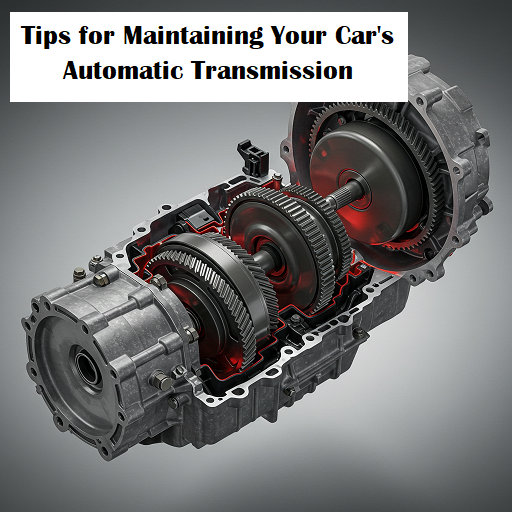
Your car’s automatic transmission is a complex system that plays a critical role in how your vehicle operates. A well-maintained transmission ensures smooth shifting, optimal performance, and longevity. Neglecting this vital component can lead to costly repairs and decreased vehicle efficiency. In this blog, we’ll explore essential tips for maintaining your car’s automatic transmission and keeping it in top shape.
Regular Fluid Checks
Transmission fluid lubricates the various components of the transmission and helps facilitate smooth shifting. Regularly checking your transmission fluid is crucial for maintaining its health.
- How to Check: Start by parking your vehicle on a level surface and allowing the engine to run for a few minutes. With the engine running, locate the transmission dipstick (usually marked with a distinct color). Remove the dipstick, wipe it clean, reinsert it, and then pull it out again to check the fluid level and condition. The fluid should be bright red and free of debris.
- Frequency: Check your transmission fluid at least once a month or more frequently if you notice any signs of slipping or rough shifting.
Change Transmission Fluid and Filter Regularly
Over time, transmission fluid can break down and become contaminated, leading to poor performance and potential damage to the transmission.
- Recommended Interval: Most manufacturers recommend changing the transmission fluid and filter every 30,000 to 60,000 miles, but always refer to your owner’s manual for specific guidelines.
- How to Change: While you can perform this task at home if you’re comfortable, it may be best to have a professional mechanic handle it to ensure the job is done correctly.
Monitor for Warning Signs
Being aware of any warning signs can help you catch potential transmission issues before they become serious problems.
- Signs to Watch For: Pay attention to any unusual behavior, such as slipping gears, delayed or harsh shifting, strange noises, or fluid leaks. If you notice any of these symptoms, it’s essential to have your transmission inspected by a professional as soon as possible.
Avoid Overloading Your Vehicle
Overloading your vehicle can put excessive strain on the transmission, leading to premature wear and potential damage.
- Know Your Limits: Always adhere to the manufacturer’s recommended weight limits for your vehicle, including passengers and cargo. If you frequently tow heavy loads, consider using a transmission cooler to help manage heat.
Use the Correct Transmission Fluid
Using the right type of transmission fluid is critical for maintaining your transmission’s performance.
- Check Your Owner’s Manual: Refer to your owner’s manual to determine the correct type of transmission fluid for your vehicle. Using the wrong fluid can lead to poor performance and potentially damage the transmission.
Warm Up Your Transmission
Allowing your vehicle to warm up before driving, especially in cold weather, can help ensure smooth operation.
- Why It Matters: Cold transmission fluid is thicker and less effective at lubricating the transmission components. Letting your engine run for a minute or two before driving allows the fluid to warm up and circulate properly.
Be Gentle with Shifts
How you shift your vehicle can have a significant impact on the health of your transmission.
- Avoid Abrupt Changes: Make sure to come to a complete stop before shifting from drive to reverse (or vice versa). Abrupt or frequent shifting can put unnecessary strain on the transmission.
Schedule Regular Maintenance
Regular maintenance is key to keeping your automatic transmission in top shape.
- Professional Inspections: Schedule periodic inspections with a trusted mechanic to ensure that your transmission is operating correctly. A professional can identify potential issues early and provide necessary services to keep your transmission running smoothly.
Ensure Reliable Performance
Maintaining your car’s automatic transmission is essential for ensuring reliable performance and prolonging its lifespan. By following these tips—regular fluid checks, timely fluid changes, monitoring for warning signs, and practicing gentle shifting—you can help keep your transmission in excellent condition. With a little effort and attention, you can enjoy a smooth driving experience for years to come and avoid costly repairs down the road. Remember, a well-maintained transmission contributes significantly to your vehicle’s overall efficiency and longevity!
Connect with us


- July 2026
- June 2026
- May 2026
- April 2026
- March 2026
- February 2026
- January 2026
- December 2025
- November 2025
- October 2025
- September 2025
- August 2025
- July 2025
- June 2025
- May 2025
- April 2025
- March 2025
- February 2025
- January 2025
- December 2024
- November 2024
- October 2024
- September 2024
- August 2024
- July 2024
- June 2024
- May 2024
- April 2024
Archives
- Accessories
- Air Conditioning
- Brakes
- Business Solutions
- Cleaning Tips
- Co-Pilot360
- Comparisons
- Connectivity
- Driving Safety
- Driving Tips
- EcoBoost Technology
- Electric Vehicles
- Environment
- Family Fun
- Financing
- Fleet Service
- Ford Performance
- Ford Pro
- Ford Racing
- Ford SUVs
- Ford Vehicles
- FordPass App
- Fuel Efficiency
- General Information
- Helpful Hints
- History
- Hybrid Vehicles
- Insurance
- Local Information
- Maintenance & Service
- New Drivers
- New Ford Trucks
- New Vehicles
- Parts & Parts Department
- Powerstroke Diesel Engines
- Pre-Owned Vehicles
- Radio
- Road Trips & Vacations
- Safety Tips
- Seasonal
- Service Tips
- Shopping
- SYNC System
- Technology
- The Future of Ford
- Tires
- Towing
- Uncategorized
- Vehicle Buying Process
- Vehicle Details
- Warranties