

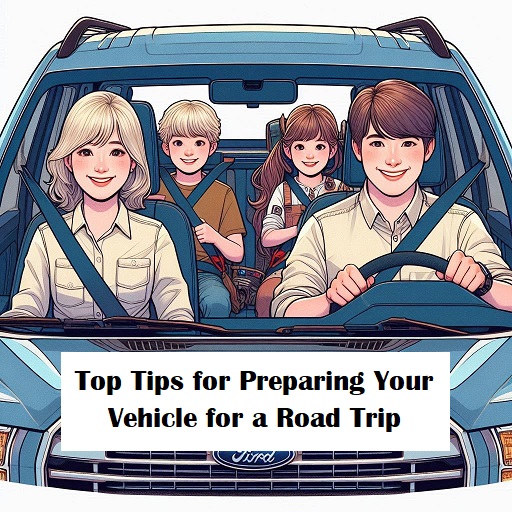
A road trip is a fantastic way to explore new places and create lasting memories. However, ensuring your vehicle is in top condition before setting off is crucial for a safe and enjoyable journey. Here are some essential tips for preparing your vehicle for a road trip, so you can hit the road with confidence and peace of mind.
Perform a Thorough Vehicle Inspection
Check Fluid Levels
- Engine Oil: Ensure your engine oil is at the proper level and consider getting an oil change if it’s been a while. Fresh oil helps keep your engine running smoothly.
- Coolant: Check the coolant level to prevent overheating. Make sure the coolant mixture is appropriate for the season and your vehicle’s needs.
- Brake Fluid: Inspect the brake fluid level and top it up if necessary. Proper brake fluid levels are essential for safe braking performance.
Inspect the Battery
- Charge and Condition: Check the battery charge and inspect it for corrosion or damage. If your battery is older than three years, consider having it tested or replaced.
- Connections: Ensure battery terminals are clean and securely connected. Loose or corroded connections can cause starting issues.
Test the Lights and Signals
- Headlights and Taillights: Verify that all headlights, taillights, brake lights, and turn signals are working properly. Replace any burnt-out bulbs to ensure visibility and safety.
- Interior Lights: Don’t forget to check interior lights, including dashboard indicators and cabin lights.
Assess the Tires
Check Tire Pressure
- Proper Inflation: Use a tire gauge to check the pressure of all tires, including the spare. Inflate tires to the recommended pressure listed in your vehicle’s owner’s manual or on the driver’s side door jamb.
- Tire Pressure Monitoring System (TPMS): If your vehicle has a TPMS, ensure it is functioning correctly and addressing any warning lights.
Inspect Tire Tread
- Tread Depth: Check the tread depth using a tread gauge or the penny test. Adequate tread depth is crucial for traction, especially in adverse weather conditions.
- Wear Patterns: Look for uneven wear patterns, which may indicate alignment or suspension issues. Address any concerns before your trip.
Examine the Spare Tire
- Condition and Inflation: Ensure your spare tire is in good condition and properly inflated. Familiarize yourself with the process of changing a tire in case of an emergency.
Prepare Your Vehicle’s Exterior
Clean and Wax
- Washing: Give your vehicle a thorough wash to remove dirt, debris, and road grime. A clean exterior improves visibility and helps you spot potential issues.
- Waxing: Applying a coat of wax protects the paint and makes it easier to clean off any bugs or road tar during your trip.
Inspect the Windshield
- Cracks and Chips: Check for any cracks or chips in the windshield. Repair or replace any damaged glass to ensure clear visibility and prevent further damage.
- Wipers and Fluid: Inspect windshield wipers for wear and replace them if needed. Ensure the windshield washer fluid reservoir is full and the fluid is suitable for the weather conditions.
Ensure Safety and Emergency Preparedness
Emergency Kit
- Essential Items: Pack an emergency kit with items such as a first aid kit, flashlight, basic tools, jumper cables, and roadside flares. Include any personal medications and a blanket.
- Roadside Assistance Information: Have the contact information for your roadside assistance provider readily available in case of a breakdown or other emergencies.
Navigation and Communication
- GPS and Maps: Ensure your GPS system is updated with the latest maps and points of interest. Carry a paper map as a backup in case of GPS issues.
- Chargers and Power: Pack chargers for your devices and a portable power bank to keep your phone charged throughout the trip.
Plan for Comfort and Convenience
Interior Organization
- Storage Solutions: Organize your vehicle’s interior to maximize space and keep essentials within reach. Use storage bins or organizers to keep items secure and prevent clutter.
- Comfort Items: Bring along items for comfort, such as travel pillows, blankets, and snacks. Consider packing a cooler with drinks and food to stay refreshed during long stretches.
Entertainment
- In-Car Entertainment: Load up your devices with music, audiobooks, or podcasts to keep passengers entertained. Consider investing in portable entertainment options for children or other travelers.
- Entertainment for Kids: Pack travel games, coloring books, and other activities to keep kids occupied and minimize boredom.
Review and Follow Local Regulations
Vehicle Registration and Insurance
- Documentation: Ensure your vehicle registration and insurance are up-to-date and that you have the necessary documents with you.
- Insurance Coverage: Verify that your insurance coverage is adequate for your road trip, especially if traveling to different states or countries.
Road Rules and Regulations
- Local Laws: Familiarize yourself with road rules and regulations in the areas you’ll be traveling through. This includes speed limits, tolls, and any specific requirements or restrictions.
Road Trip Ready
Preparing your vehicle for a road trip involves more than just filling up the gas tank. By following these tips, you can ensure your vehicle is in top condition, enhance your safety, and enjoy a smooth and enjoyable journey. Regular maintenance and thoughtful preparation are key to a successful road trip, allowing you to focus on the adventure ahead rather than worrying about potential issues. Happy travels!
Connect with us


- July 2026
- June 2026
- May 2026
- April 2026
- March 2026
- February 2026
- January 2026
- December 2025
- November 2025
- October 2025
- September 2025
- August 2025
- July 2025
- June 2025
- May 2025
- April 2025
- March 2025
- February 2025
- January 2025
- December 2024
- November 2024
- October 2024
- September 2024
- August 2024
- July 2024
- June 2024
- May 2024
- April 2024
Archives
- Accessories
- Air Conditioning
- Brakes
- Business Solutions
- Cleaning Tips
- Co-Pilot360
- Comparisons
- Connectivity
- Driving Safety
- Driving Tips
- EcoBoost Technology
- Electric Vehicles
- Environment
- Family Fun
- Financing
- Fleet Service
- Ford Performance
- Ford Pro
- Ford Racing
- Ford SUVs
- Ford Vehicles
- FordPass App
- Fuel Efficiency
- General Information
- Helpful Hints
- History
- Hybrid Vehicles
- Insurance
- Local Information
- Maintenance & Service
- New Drivers
- New Ford Trucks
- New Vehicles
- Parts & Parts Department
- Powerstroke Diesel Engines
- Pre-Owned Vehicles
- Radio
- Road Trips & Vacations
- Safety Tips
- Seasonal
- Service Tips
- Shopping
- SYNC System
- Technology
- The Future of Ford
- Tires
- Towing
- Uncategorized
- Vehicle Buying Process
- Vehicle Details
- Warranties