

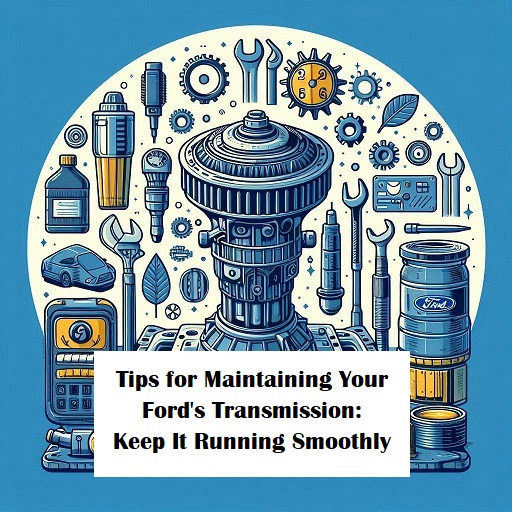
Your Ford’s transmission is one of the most vital components of your vehicle, responsible for transferring power from the engine to the wheels and enabling smooth acceleration and deceleration. Proper maintenance is key to ensuring that your transmission functions efficiently and has a long lifespan. Here are some essential tips for maintaining your Ford’s transmission and keeping it in top shape.
Regularly Check and Change Transmission Fluid
Transmission fluid is the lifeblood of your transmission, providing lubrication, cooling, and hydraulic pressure. Keeping the fluid clean and at the proper level is crucial to preventing transmission problems.
- Check the Fluid Level: Regularly check the transmission fluid level according to your Ford’s owner’s manual. Low fluid levels can lead to overheating and cause significant damage. Most Fords have a transmission dipstick under the hood; check it with the engine warm and running. The fluid should be at the “Full” mark on the dipstick.
- Inspect the Fluid Condition: Healthy transmission fluid should be a clear, reddish color and have a slightly sweet smell. If the fluid appears dark, murky, or has a burnt smell, it’s time for a change. Dirty or degraded fluid can lead to poor performance and increased wear on transmission components.
- Change the Fluid and Filter: Over time, transmission fluid can break down and lose its effectiveness. Ford generally recommends changing the transmission fluid every 30,000 to 60,000 miles, but check your owner’s manual for the specific interval for your model. When changing the fluid, it’s also a good idea to replace the transmission filter to ensure that contaminants are removed.
Pay Attention to Warning Signs
Catching transmission problems early can save you from costly repairs down the road. Pay attention to how your Ford drives and be alert to any signs that your transmission might need attention.
- Unusual Noises: Whining, clunking, or humming noises while driving could indicate transmission trouble. These sounds might suggest issues with the fluid, gears, or bearings.
- Slipping Gears: If your transmission slips out of gear while driving or struggles to stay in gear, it could be a sign of worn components or low transmission fluid.
- Rough Shifting: Hard or rough shifts between gears, whether it’s an automatic or manual transmission, can indicate a problem. This could be due to low fluid, worn clutches, or other internal issues.
- Delayed Engagement: If there’s a delay when shifting from “Park” to “Drive” or “Reverse,” your transmission may be experiencing problems that need to be addressed.
Avoid Overheating the Transmission
Excessive heat is one of the leading causes of transmission failure. Overheating can occur due to driving conditions, heavy towing, or low fluid levels.
- Monitor the Transmission Temperature: If your Ford is equipped with a transmission temperature gauge, keep an eye on it, especially when towing or driving in hot weather. If the temperature rises above normal, it’s a sign that the transmission is under stress.
- Install an Auxiliary Cooler: For those who frequently tow heavy loads or drive in harsh conditions, installing an auxiliary transmission cooler can help reduce the risk of overheating. This is especially beneficial for trucks and SUVs.
- Avoid Heavy Towing Beyond Your Vehicle’s Capacity: Overloading your Ford with heavy loads that exceed its towing capacity can put significant strain on the transmission. Always adhere to the manufacturer’s towing guidelines.
Use the Right Transmission Fluid
Using the correct type of transmission fluid is crucial for the proper operation of your Ford’s transmission. Different Ford models may require different types of fluid, so always refer to your owner’s manual to ensure you’re using the right one.
- OEM vs. Aftermarket Fluids: While there are many aftermarket transmission fluids available, it’s generally best to stick with the OEM (Original Equipment Manufacturer) recommended fluid. Ford engineers design their transmissions with specific fluid characteristics in mind, and using the correct fluid ensures optimal performance and longevity.
- Synthetic vs. Conventional Fluid: Some Ford models may benefit from synthetic transmission fluid, which offers better performance in extreme temperatures and longer fluid life. Check your manual or consult with a Ford dealer to see if synthetic fluid is recommended for your vehicle.
Practice Good Driving Habits
Your driving habits can have a significant impact on the health of your transmission. Practicing good driving techniques can help reduce wear and tear on your transmission.
- Avoid Aggressive Driving: Rapid acceleration, hard braking, and frequent gear shifting put unnecessary stress on your transmission. Smooth, gradual acceleration and braking help keep your transmission running smoothly.
- Warm Up Your Engine: Before driving, especially in cold weather, allow your engine to warm up for a few minutes. This helps the transmission fluid reach its optimal operating temperature and ensures proper lubrication.
- Don’t Shift from Reverse to Drive While Moving: Always come to a complete stop before shifting from reverse to drive, or vice versa. Shifting while the vehicle is still moving can cause damage to the transmission.
- Use Overdrive and Cruise Control: When driving on the highway, use overdrive and cruise control to reduce the strain on your transmission. Overdrive reduces engine RPMs at higher speeds, while cruise control maintains a steady speed without constant gear shifting.
Schedule Regular Transmission Inspections
Even if your transmission seems to be working fine, regular inspections by a professional can catch potential issues before they become major problems.
- Professional Diagnostics: During a transmission inspection, a technician can perform diagnostics to check for error codes, inspect the transmission’s internal components, and evaluate the condition of the fluid and filter.
- Regular Maintenance Visits: Follow your Ford’s recommended maintenance schedule, which typically includes transmission inspections and fluid changes. Regular visits to your Ford dealer or a trusted mechanic can help ensure that your transmission stays in peak condition.
Smooth Performance
Maintaining your Ford’s transmission is essential for ensuring smooth performance and prolonging the life of your vehicle. By following these tips—regularly checking and changing transmission fluid, paying attention to warning signs, avoiding overheating, using the correct fluid, practicing good driving habits, and scheduling regular inspections—you can keep your transmission in top shape and avoid costly repairs. Taking a proactive approach to transmission care will help you enjoy a reliable and efficient driving experience for many miles to come.
Connect with us


- July 2026
- June 2026
- May 2026
- April 2026
- March 2026
- February 2026
- January 2026
- December 2025
- November 2025
- October 2025
- September 2025
- August 2025
- July 2025
- June 2025
- May 2025
- April 2025
- March 2025
- February 2025
- January 2025
- December 2024
- November 2024
- October 2024
- September 2024
- August 2024
- July 2024
- June 2024
- May 2024
- April 2024
Archives
- Accessories
- Air Conditioning
- Brakes
- Business Solutions
- Cleaning Tips
- Co-Pilot360
- Comparisons
- Connectivity
- Driving Safety
- Driving Tips
- EcoBoost Technology
- Electric Vehicles
- Environment
- Family Fun
- Financing
- Fleet Service
- Ford Performance
- Ford Pro
- Ford Racing
- Ford SUVs
- Ford Vehicles
- FordPass App
- Fuel Efficiency
- General Information
- Helpful Hints
- History
- Hybrid Vehicles
- Insurance
- Local Information
- Maintenance & Service
- New Drivers
- New Ford Trucks
- New Vehicles
- Parts & Parts Department
- Powerstroke Diesel Engines
- Pre-Owned Vehicles
- Radio
- Road Trips & Vacations
- Safety Tips
- Seasonal
- Service Tips
- Shopping
- SYNC System
- Technology
- The Future of Ford
- Tires
- Towing
- Uncategorized
- Vehicle Buying Process
- Vehicle Details
- Warranties