

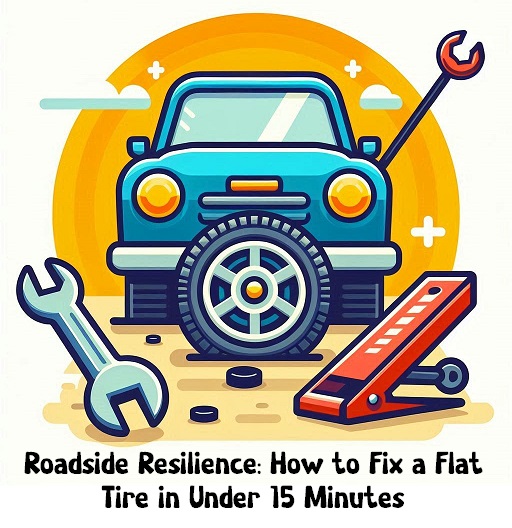
A flat tire can disrupt your journey, but with the right tools and knowledge, you can get back on the road swiftly. In this blog post, we’ll guide you through a step-by-step process to fix a flat tire efficiently, allowing you to master the art of roadside resilience in under 15 minutes.
Tools and Materials
Before you hit the road, ensure you have the following tools and materials in your vehicle:
- Spare tire
- Jack
- Lug wrench
- Vehicle owner’s manual
- Tire pressure gauge
- Tire repair kit (optional)
- Flashlight (if changing the tire in low light conditions)
Step 1: Find a Safe Location:
As soon as you notice a flat tire, find a safe and level place to pull over. Turn on your hazard lights, engage the parking brake, and ensure you are well away from moving traffic.
Step 2: Locate and Assemble Tools:
Retrieve the spare tire, jack, and lug wrench from your vehicle. Familiarize yourself with their locations and how to use them by referring to your vehicle owner’s manual.
Step 3: Loosen Lug Nuts:
Using the lug wrench, slightly loosen the lug nuts on the flat tire. Do not fully remove them at this stage; just break their initial resistance.
Step 4: Position the Jack:
Place the jack in the correct lifting point, typically indicated in your vehicle’s owner’s manual. Start raising the vehicle, ensuring stability and safety. Lift the car high enough for the flat tire to clear the ground.
Step 5: Remove the Flat Tire:
Once the vehicle is raised, fully remove the loosened lug nuts and take off the flat tire. Place the flat tire under the vehicle as an extra safety precaution in case the jack fails.
Step 6: Install the Spare Tire:
Position the spare tire on the wheel studs and hand-tighten the lug nuts as much as possible. Use the lug wrench to further tighten the nuts in a crisscross pattern.
Step 7: Lower the Vehicle:
Carefully lower the vehicle using the jack until it rests securely on the ground. Finish tightening the lug nuts with the lug wrench in a crisscross pattern to ensure even pressure.
Step 8: Verify Lug Nut Tightness:
Double-check that all lug nuts are securely tightened. Inspect the spare tire’s pressure with a gauge and adjust as needed.
Step 9: Stow Tools and Flat Tire:
Return the tools and the flat tire to your vehicle. Ensure everything is secured before continuing your journey.
Step 10: Monitor Tire Pressure:
Keep an eye on the spare tire’s pressure. If it’s a temporary spare, commonly known as a donut, be mindful of its limitations and replace it with a regular tire as soon as possible.
Empower Yourself
Mastering the art of fixing a flat tire quickly empowers you to handle unexpected challenges on the road with confidence. Regularly check your spare tire’s condition and keep your tools in good shape to ensure you’re always prepared. By following these steps, you can minimize downtime, maintain your journey’s momentum, and showcase your roadside resilience in under 15 minutes. Safe travels!
Connect with us


- July 2026
- June 2026
- May 2026
- April 2026
- March 2026
- February 2026
- January 2026
- December 2025
- November 2025
- October 2025
- September 2025
- August 2025
- July 2025
- June 2025
- May 2025
- April 2025
- March 2025
- February 2025
- January 2025
- December 2024
- November 2024
- October 2024
- September 2024
- August 2024
- July 2024
- June 2024
- May 2024
- April 2024
Archives
- Accessories
- Air Conditioning
- Brakes
- Business Solutions
- Cleaning Tips
- Co-Pilot360
- Comparisons
- Connectivity
- Driving Safety
- Driving Tips
- EcoBoost Technology
- Electric Vehicles
- Environment
- Family Fun
- Financing
- Fleet Service
- Ford Performance
- Ford Pro
- Ford Racing
- Ford SUVs
- Ford Vehicles
- FordPass App
- Fuel Efficiency
- General Information
- Helpful Hints
- History
- Hybrid Vehicles
- Insurance
- Local Information
- Maintenance & Service
- New Drivers
- New Ford Trucks
- New Vehicles
- Parts & Parts Department
- Powerstroke Diesel Engines
- Pre-Owned Vehicles
- Radio
- Road Trips & Vacations
- Safety Tips
- Seasonal
- Service Tips
- Shopping
- SYNC System
- Technology
- The Future of Ford
- Tires
- Towing
- Uncategorized
- Vehicle Buying Process
- Vehicle Details
- Warranties